Adi Tribal Textile Journey: From Indigenous Weaving Roots to Cultural Heritage Recognition
Adi Tribal Textile, originating from the indigenous Adi tribe of Arunachal Pradesh, represents one of Northeast India’s most vibrant and culturally rich hand-weaving traditions. Practiced for centuries, this textile art began as a household necessity where tribal women wove garments for family use using cotton, wool, and natural plant-based dyes. Over time, these textiles evolved beyond utility into powerful symbols of identity, social status, and ceremonial pride.
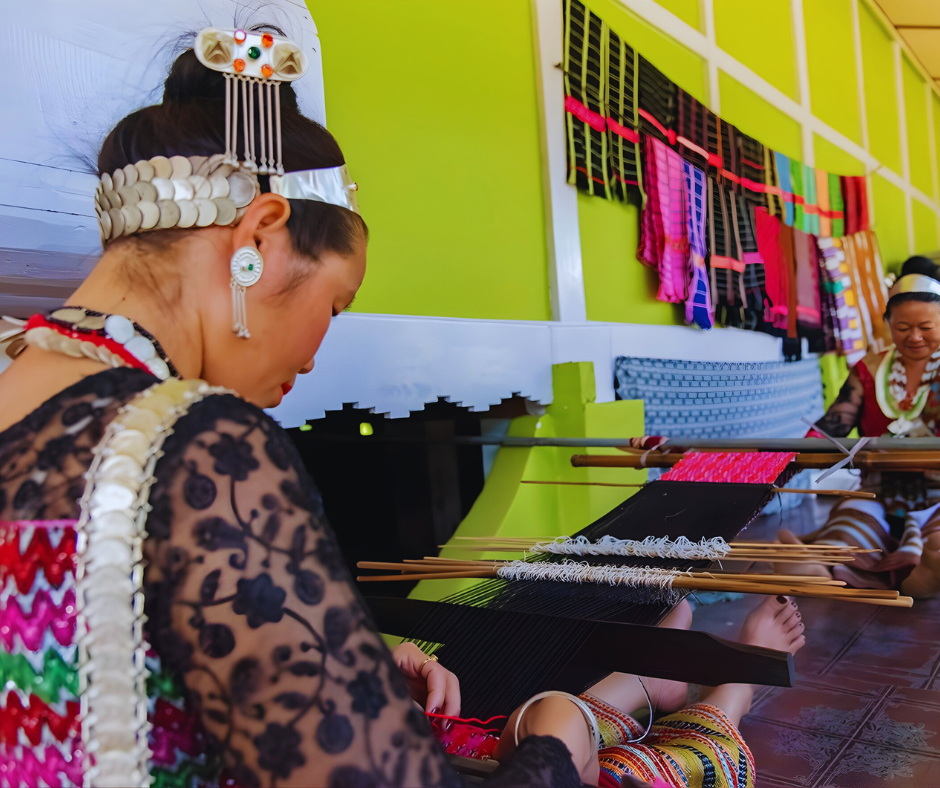
Traditionally woven on backstrap or body-tension looms, Adi fabrics are known for bold stripes, geometric motifs, and strong colour contrasts such as red, black, yellow, and white. Today, Adi textiles are showcased in exhibitions, craft fairs, and government-supported handloom initiatives, gaining national and international appreciation as a living tribal heritage.
Basic Overview
| Field | Details |
|---|---|
| Craft Name | Adi Tribal Textile |
| Community | Adi Tribe |
| Region | Arunachal Pradesh, India |
| Origin Period | Ancient / Traditional (Centuries Old) |
| Primary Materials | Cotton, Wool, Natural Dyes |
| Weaving Method | Backstrap / Body-Tension Loom |
| Key Products | Gale Wraps, Gadu Blankets, Jackets, Shawls |
| Main Practitioners | Tribal Women Weavers |
| Cultural Use | Festivals, Ceremonies, Daily Wear |
| Current Support | Govt. Handloom & Tribal Craft Initiatives |
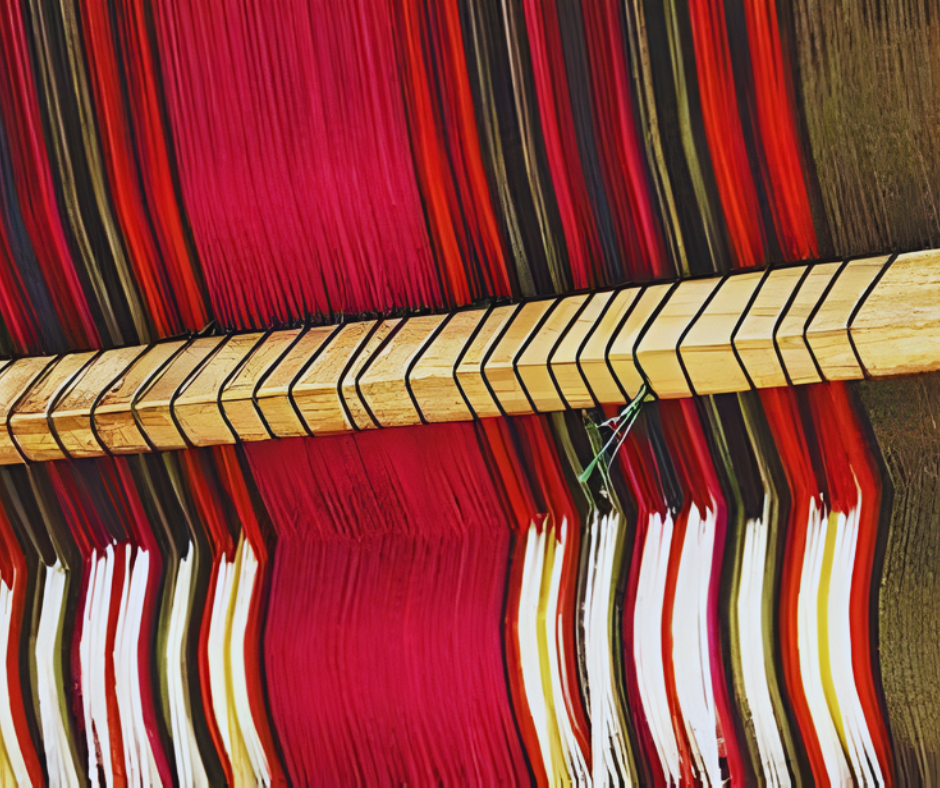
Adi Textile – Tracing Its Origins & Craft Evolution
Adi weaving began as a self-sustained domestic activity, where women produced clothing, blankets, and ceremonial fabrics within the household. Patterns were memorised rather than written, allowing each generation to preserve ancestral motifs through oral and visual learning.
As trade and cultural exchange increased, Adi textiles slowly reached local markets and craft exhibitions. Modern adaptations now include scarves, stoles, and decorative fabrics designed for urban buyers, yet the traditional loom techniques and symbolic patterns remain unchanged. This balance between tradition and adaptation has allowed the craft to survive without losing authenticity.
Cultural Importance & Symbolism
Identity Marker – Designs often indicate clan or community belonging.
Festival Wear – Special garments are worn during Solung and other tribal celebrations.
Social Status – Certain patterns and belts signify marital or age status.
Storytelling Art – Motifs represent nature, animals, and ancestral legends.
Key Features & Craft Strengths
Heritage Value
Centuries-old weaving knowledge preserved through generations.
Handmade Authenticity
Each textile is fully hand-woven, making every piece unique.
Natural Materials
Use of organic dyes and locally sourced fibres.
Distinctive Patterns
Bold geometric stripes and symbolic colour combinations.
Women Empowerment
Primary livelihood source for tribal women artisans.
Eco-Friendly Production
Minimal machinery and sustainable raw materials.
Adaptability
Modern products like scarves and décor fabrics alongside traditional attire.
Cultural Preservation
Supported by handloom boards and tribal craft programs.
Market Presence & Craft Identity
Popular in Northeast India craft fairs and exhibitions.
Increasing demand among ethnic fashion designers and cultural collectors.
Recognised as an authentic tribal handloom tradition rather than a mass-produced fabric.
Promoted through government emporiums and artisan cooperatives.
Adi Tribal Textile – Artisan & Promotion Clusters
| Cluster / Brand | Founded | Promoter | Business Type | Market Reach | Ownership | Origin | Official URL |
|---|---|---|---|---|---|---|---|
| Tribes India | 1999 | Govt. of India (TRIFED) | Tribal Craft Retail & Promotion | National & Export | Govt. | India | https://www.tribesindia.com |
| TRIFED (Tribal Cooperative Marketing Development Federation of India) | 1987 | Ministry of Tribal Affairs | Tribal Product Marketing | National | Govt. | India | https://trifed.tribal.gov.in |
| Arunachal Pradesh Handloom and Handicrafts Development Corporation | 1977 | State Govt. | Handloom Promotion & Retail | Domestic | Govt. | Arunachal Pradesh | https://aphhdc.arunachal.gov.in |
| North Eastern Handicrafts and Handlooms Development Corporation | 1977 | Govt. of India | Craft Export & Promotion | Domestic & International | Govt. | Northeast India | https://nehhdc.com |
| Dilli Haat | 1994 | Delhi Tourism & Govt. Bodies | Craft Marketplace & Exhibitions | National | Govt./Public | India | https://www.delhitourism.gov.in |
Conclusion
Adi Tribal Textile – A Living Thread of Indigenous Heritage reflects how a simple household weaving practice evolved into a respected symbol of tribal identity and artistic excellence. Through sustainable materials, ancestral knowledge, and continuous cultural support, Adi textiles continue to thrive in modern markets while preserving their deep traditional roots. Today, they stand not only as garments or fabrics, but as woven stories of community pride, heritage continuity, and timeless craftsmanship.