Buy Premium Chickpeas – Nutritious & Proudly Made in India
Nutritious, versatile, and deeply embedded in India’s culinary and agricultural heritage — chickpeas, known locally as chana and globally as garbanzo beans, are one of the oldest and most widely cultivated pulses. From traditional dal preparations to large-scale global exports, chickpeas exemplify India’s legacy of nourishment, sustainability, and agricultural innovation.
Belonging to the Fabaceae (or Leguminosae) family, chickpeas are cultivated for their dry, protein-rich seeds. Beyond nutrition, they play a vital role in sustainable agriculture due to their nitrogen-fixing abilities, enriching soil fertility naturally.
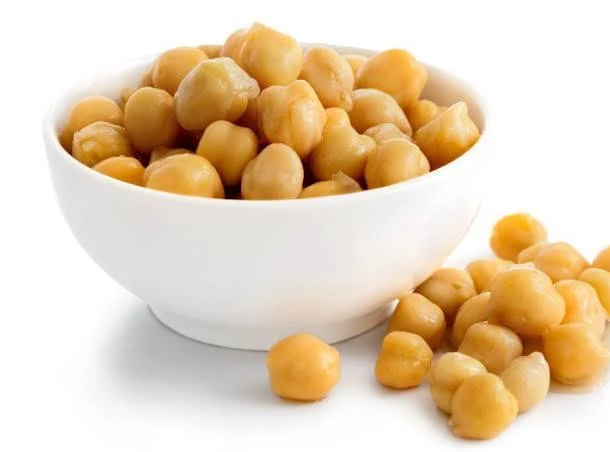
Nutritious, High-Quality Chickpeas Sourced and Proudly Made in India
| Aspect | Details |
|---|---|
| Alternative Name | Chana / Garbanzo Beans |
| Scientific Family | Fabaceae (Leguminosae) |
| Description | Edible dry seeds grown in pods; rich in protein, fiber, vitamins, and minerals; consumed whole, split (dal), or ground into flour (besan). |
| Type | Agricultural / Food Crop |
| Primary Cultivation Regions | Madhya Pradesh, Maharashtra, Rajasthan, Uttar Pradesh, Gujarat, Karnataka, Andhra Pradesh |
| Country of Origin | India 🇮🇳 |
| Global Recognition | India is the world’s largest producer and exporter of chickpeas, contributing nearly 70% of global output. |
| Geographical Indication (GI) | Certain varieties, like Madhya Pradesh Chana Dal, are GI-tagged. |
| Distinct Features | High protein, low fat, gluten-free, drought-resistant, nitrogen-fixing, eco-friendly. |
| Traditional Cultivation Method | Rain-fed farming, intercropping, minimal chemical fertilizer, organic manure, manual harvesting. |
Biological and Agricultural Importance
Chickpeas grow in dry pods containing nutrient-dense seeds, providing essential nutrition for humans and livestock. Their roots harbor Rhizobia bacteria, converting atmospheric nitrogen into a usable form and naturally enriching soil. This ability makes chickpeas vital for crop rotation, enhancing soil health while reducing chemical fertilizer dependence.
Historical Insight
Chickpeas have been a part of India’s diet for over 5,000 years. Archaeological findings from the Indus Valley Civilization indicate early cultivation. Ancient texts like the Rigveda and Charaka Samhita highlight chana’s nutritional and medicinal value.
Over centuries, chickpeas became integral to regional cuisines:
Chana Masala in northern India
Kadala Curry in Kerala
Snacks like roasted or boiled chana across the country
They continue to symbolize sustenance, simplicity, and nutritional power.
Types of Chickpeas
| Type | Key Features | Primary Regions |
|---|---|---|
| Desi Chickpeas | Small, dark, rough-coated; ideal for flour (besan) | Madhya Pradesh, Rajasthan, Maharashtra |
| Kabuli Chickpeas | Large, light-colored, smooth; ideal for salads, hummus | Karnataka, Andhra Pradesh, Maharashtra |
Culinary and Nutritional Uses
Dal & Curries: Chana dal, chole, kadala curry
Flour Products: Besan for sweets, snacks, and savory dishes
Snacks & Roasts: Protein-rich roasted or boiled chana
Global Dishes: Hummus, falafel, salads
Nutrition (per 100g, boiled):
Calories: 164 kcal
Protein: 8.9 g
Carbohydrates: 27.4 g
Fiber: 7.6 g
Fat: 2.6 g
Vitamins & Minerals: Rich in folate, iron, magnesium, phosphorus, manganese
Manufacture and Export
India combines traditional agricultural knowledge with modern processing technology to produce high-quality chickpeas for domestic consumption and export.
Processing Hubs and Regions:
| Region | Key Varieties | Highlights |
|---|---|---|
| Madhya Pradesh (Indore, Bhopal) | Desi & Kabuli Chana | Largest processing centers; export hubs |
| Maharashtra (Nagpur, Latur) | Desi Chana | Grading and packaging facilities |
| Rajasthan (Jaipur, Alwar) | Desi Chana & Moth Bean | Integrated pulse processing units |
| Karnataka (Gulbarga) | Kabuli Chana | Specializes in high-quality export chickpeas |
| Uttar Pradesh (Kanpur, Agra) | Desi Chana | Modern mills for domestic and international markets |
Processing Techniques:
Cleaning and grading to remove impurities
Dehulling and polishing while preserving nutrients
Nitrogen-flushed packaging for extended shelf life
Compliance with ISO, FSSAI, and APEDA standards for export
Export Highlights (2024–25):
Top destinations: Bangladesh, UAE, Nepal, Sri Lanka, USA, Canada
Key exported varieties: Desi Chana, Kabuli Chana
Estimated export value: USD 1.2–1.5 billion annually
Major Exporters and Brands:
| Brand / Company | Location | Highlights |
|---|---|---|
| Tata Sampann | India | Nutrient-retaining, quality-checked pulses |
| Adani Wilmar (Fortune) | India | Popular domestic and international brand |
| AGT Food & Ingredients | Canada | Large-scale global exporter |
| BroadGrain Commodities | Canada | Food-grade pulses to 80+ countries |
| Belle Pulses Ltd. | Canada | 40+ years in global pulse trade, traceable supply |
📎 Verified Sources: APEDA, IBEF, Indian Trade Portal
Sustainability and Farmer Empowerment
Chickpeas are climate-resilient, eco-friendly, and farmer-supportive crops.
🌱 Nitrogen Fixation: Naturally enriches soil
💧 Low Water Requirement: Suited for semi-arid regions
🔁 Crop Rotation: Preserves soil structure, reduces fertilizer use
🤝 FPO Support: Collective marketing, better pricing for farmers
Government initiatives like NFSM-Pulses and Minimum Support Price (MSP) schemes ensure productivity, income stability, and sustainable cultivation practices.
Conclusion
From the fertile fields of Madhya Pradesh to the drylands of Rajasthan, chickpeas (chana) are more than just a pulse — they represent India’s agricultural strength, nutritional heritage, and global trade leadership.
With high protein content, eco-friendly cultivation, and worldwide demand, chickpeas continue to secure India’s place as a leader in pulses — truly the Protein Powerhouse in every seed. 🌾🇮🇳