Pulses Legume for Healthy, Nutritious & Balanced Diets
Nutritious, versatile, and deeply rooted in India’s agricultural heritage — pulses, also known as legumes, are among the world’s oldest and most vital crops. From humble bowls of dal to vast export consignments feeding nations, these edible seeds symbolize India’s legacy of nourishment, sustainability, and innovation.
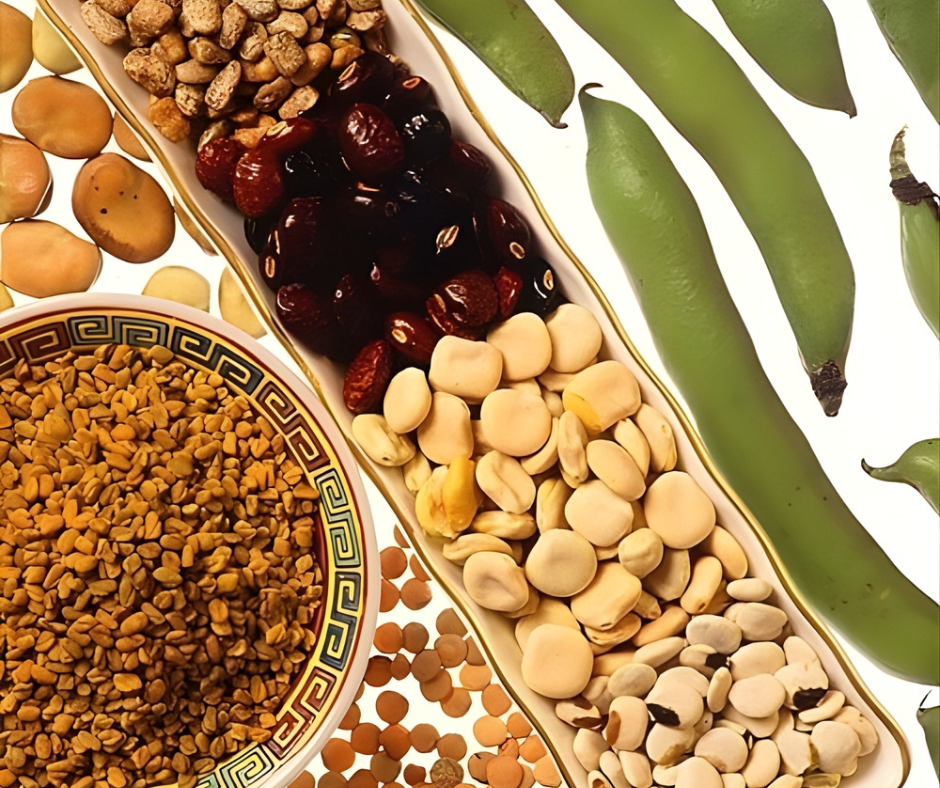
Scientifically, legumes belong to the Fabaceae (or Leguminosae) family — plants that bear pods containing edible seeds. When used as a dry grain for human consumption, these seeds are referred to as pulses. Grown for food, animal feed, and soil enrichment, legumes are the heart of sustainable agriculture and the foundation of a balanced diet.
Origin and Identity of Premium Pulses Legume
| Aspect | Details |
|---|---|
| Alternative Name | Leguminous Crops / Dal Varieties of India |
| Scientific Family | Fabaceae (Leguminosae) |
| Description | Edible dry seeds grown in pods; rich in protein, fiber, and minerals. Consumed whole or split as dal, and used in flours and snacks. |
| Type | Agricultural / Food Crop |
| Primary Cultivation Regions | Madhya Pradesh, Maharashtra, Rajasthan, Uttar Pradesh, Karnataka, Telangana, Gujarat, Andhra Pradesh, and Chhattisgarh |
| Country of Origin | India 🇮🇳 |
| Global Recognition | India is the world’s largest producer, consumer, and importer of pulses, contributing nearly 25% of global output. |
| Geographical Indication (GI) | GI recognition for select regional varieties — such as Gadchiroli Tur Dal and Madhya Pradesh Chana Dal. |
| Distinct Features | High in plant protein, low in fat, gluten-free, environmentally friendly, and nitrogen-fixing. |
| Traditional Cultivation Method | Rain-fed and intercropped farming, minimal fertilizer use, organic manure, and manual harvesting. |
Quality Standards and Processing of Pulses Legume
Legumes are unique among crops because of their botanical and ecological properties.
They produce a simple dry fruit (pod) that typically opens along both seams when mature. Within these pods lie nutrient-rich seeds that serve as essential human and livestock food sources.
A remarkable feature of legumes is their symbiotic relationship with nitrogen-fixing bacteria known as Rhizobia, found in root nodules. These microorganisms convert atmospheric nitrogen into usable forms, enriching the soil naturally. This ability allows legumes to thrive in nutrient-poor soils and play a crucial role in crop rotation, reducing dependence on chemical fertilizers.
Thus, legumes are not only food crops but also soil healers, restoring fertility and ensuring long-term sustainability.
Historical Insight: Evolution of Pulses Legume
Pulses have been a part of India’s diet and trade for over 5,000 years. Archaeological findings from the Indus Valley Civilization reveal evidence of chickpeas and lentils, showcasing their ancient cultivation. Texts like the Rigveda and Charaka Samhita praise dals for their nutritive and healing properties.
Over centuries, pulses became staples across India — forming the base of dal-tadka in the north, sambar in the south, panchmel dal in Rajasthan, and cholar dal in Bengal. They remain an integral part of Indian culture, symbolizing sustenance and simplicity.
Major Indian Pulses
| Pulse Name | Primary Regions | Key Features |
|---|---|---|
| Chickpeas (Chana) | Madhya Pradesh, Maharashtra, Rajasthan | High protein; used in dal, besan (flour), and snacks |
| Pigeon Pea (Tur / Arhar) | Maharashtra, Karnataka, Gujarat | Creamy, mild flavor; staple for daily Indian meals |
| Lentils (Masoor) | Uttar Pradesh, Madhya Pradesh | Red/orange lentils; quick-cooking and iron-rich |
| Black Gram (Urad) | Andhra Pradesh, Tamil Nadu, Maharashtra | Used in idli, dosa, and dal makhani; protein-rich |
| Green Gram (Moong) | Rajasthan, Karnataka, Maharashtra | Easily digestible; used as whole, split, or sprouted |
| Kidney Beans (Rajma) | Jammu & Kashmir, Himachal Pradesh | Rich, hearty beans used in northern cuisines |
| Cowpea (Lobia) | Rajasthan, Tamil Nadu | Drought-resistant; nutritious in salads and curries |
| Horse Gram (Kulthi) | Karnataka, Odisha, Tamil Nadu | High in iron; traditional food for endurance |
| Moth Bean (Matki) | Rajasthan, Gujarat | Hardy pulse for arid climates |
| Field Pea (Matar) | Uttar Pradesh, Bihar | Used as dry or green peas in Indian curries |
Manufacture and Export
India’s pulse sector combines traditional farming wisdom with modern processing and export technology. Pulses are cleaned, graded, split, polished, and packaged in hygienic facilities to preserve nutritional value and freshness.
Major Processing and Export Hubs:
Madhya Pradesh (Indore, Bhopal): Chana, Masoor
Maharashtra (Nagpur, Latur): Toor, Moong
Rajasthan (Jaipur, Alwar): Moth Bean, Moong
Karnataka (Gulbarga): Tur Dal
Uttar Pradesh (Kanpur, Agra): Lentils, Peas
Processing Techniques:
Mechanical cleaning and grading
Dehulling and polishing with minimal nutrient loss
Nitrogen-flushed packaging for longer shelf life
ISO, FSSAI, and APEDA-certified plants for export quality
Global Export Highlights of Pulses Legume
- India exports pulses to over 100 countries worldwide
Top export destinations: Bangladesh, UAE, Nepal, Sri Lanka, USA, Canada
Key exported varieties: Chickpeas, Lentils, Moong, and Pigeon Pea
Estimated export value: USD 3.2–3.5 billion annually
Key organizations: APEDA, NAFED, and Ministry of Commerce & Industry
| Brand / Company | Location | Notes on Quality / Highlights |
|---|
| 1 | Tata Sampann | India | A major Indian brand from Tata Consumer Products Ltd., marketed as “unpolished pulses” (dals) retaining nutrients, and quality‑checked via a 5‑step process. Tata Consumer Products+2sustainability.tatachemicals.com+2 |
| 2 | AGT Food and Ingredients Inc. | Canada | Specialises in pulses and other crops; one of the larger global processors. Wikipedia+1 |
| 3 | BroadGrain Commodities Inc. | Canada | Focused on grains, pulses, specialty crops; food‑grade pulses exported globally to 80+ countries. broadgrain.com+1 |
| 4 | Adani Wilmar Ltd. (brand: Fortune) | India | The Fortune brand names pulses among its offerings and is listed among top pulses companies globally in one report. Claight+1 |
| 5 | Belle Pulses Ltd. | Canada | Over 40 years legacy; processes large volumes of pulses, emphasizes traceability and global clientele. bellepulses.ca |
📎 Verified Export Sources:
🔗 APEDA – Pulses Export Data
🔗 IBEF – Indian Pulses Industry Overview
🔗 Indian Trade Portal – Agricultural Exports
Sustainability and Farmer Empowerment
Pulses are climate-resilient crops that conserve natural resources while empowering millions of small and marginal farmers.
🌱 Nitrogen Fixation: Improves soil fertility naturally
💧 Low Water Requirement: Ideal for semi-arid and drought-prone regions
🔁 Crop Rotation: Maintains soil structure and reduces fertilizer use
🤝 Farmer Producer Organizations (FPOs): Promote collective marketing and fair pricing
Government initiatives like the National Food Security Mission (NFSM-Pulses) and Minimum Support Price (MSP) ensure both productivity and farmer income stability.
Conclusion
From the fertile plains of Madhya Pradesh to the dry zones of Rajasthan, pulses and legumes stand as symbols of India’s agricultural strength and sustainability. They not only nourish millions but also nurture the land itself.
With their unmatched nutritional value, eco-friendly growth, and global demand, Indian pulses continue to serve as the true “Protein Powerhouses” — uniting tradition, health, and sustainability in every grain. 🌾🇮🇳