Dhalapathar Parda & Fabrics – Timeless Handicrafts of Odisha
Elegant, earthy, and enriched with tradition — Dhalapathar Parda & Fabrics are the pride of Odisha’s weaving heritage. Handcrafted by skilled artisans from the village of Dhalapathar in Bolagarh, Khurda district, these textiles reflect the cultural artistry of rural Odisha through intricate patterns, natural dyes, and timeless craftsmanship.
Geographical Indication
Alternative names: Dhalapathara Parada
Type: Handicraft
Area: Dhalapathar, Bolagarh, Odisha
Country: India
Material: Fabric
History and Origin
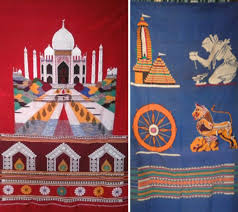
The weaving tradition of Dhalapathar traces back over a century, when local artisans began producing decorative curtains (Parda) and fabrics for households and temples. Each design told a story — inspired by temple architecture, flora, fauna, and geometric motifs native to Odisha.
The craft flourished under community cooperatives and government support, gaining Geographical Indication (GI) registration in 2005–06, which helped preserve its authenticity and provided global recognition to its artisans.
Artistry and Technique
The hallmark of Dhalapathar weaving lies in its handloom-based, eco-friendly process. Artisans use cotton or tussar silk yarns, hand-dyed with colors derived from natural sources like leaves, roots, and bark.
The weaving technique employs extra weft patterning, where additional threads are inserted manually to create embossed designs — giving depth and dimension to the fabric. Each piece can take days to weeks to complete, depending on the intricacy of the motifs.
Types of Products
ProductDescriptionDhalapathar Parda (Curtain)Handwoven decorative curtain with traditional motifs and bold borders.Dhalapathar FabricMulti-purpose handloom cloth used for sarees, dupattas, and furnishings.Table & Wall HangingsArtistic textiles used for interior décor and cultural showcases.
Cultural and Economic Significance
Dhalapathar weaving is not just an art — it is a way of life for many families in Khurda. Women and men work side by side on looms, continuing a tradition passed down through generations. These fabrics also represent Odisha’s devotion to sustainable, handmade textiles, which are increasingly sought after in eco-conscious markets.
The motifs used often symbolize prosperity, purity, and nature, aligning with local spiritual and cultural beliefs.
Manufacture and Export
| Aspect | Details |
|---|---|
| Production Base | Cottage-based handlooms in Dhalapathar and neighboring villages |
| Techniques Used | Handloom weaving with natural dyeing |
| Raw Materials | Cotton, tussar silk, vegetable dyes |
| Supporting Bodies | Boyanika, Odisha Handloom & Textile Department, and local cooperatives |
| Export Destinations | USA, UK, France, Japan, Singapore |
| Market Trend | Growing global demand for ethical and handcrafted textiles |
Recognition and Preservation
The Dhalapathar Weavers’ Cooperative Society plays a key role in sustaining this heritage. Government initiatives and design workshops aim to revive traditional patterns while adapting them for modern fashion and décor markets, ensuring continuity for future generations.
Conclusion
Dhalapathar Parda & Fabrics are not just textiles — they are threads of Odisha’s cultural identity, woven with patience, devotion, and artistry. Every curtain and cloth tells a story of heritage and craftsmanship that bridges the past with the present.