Puneri Pagadi: The Pride and Prestige of Pune
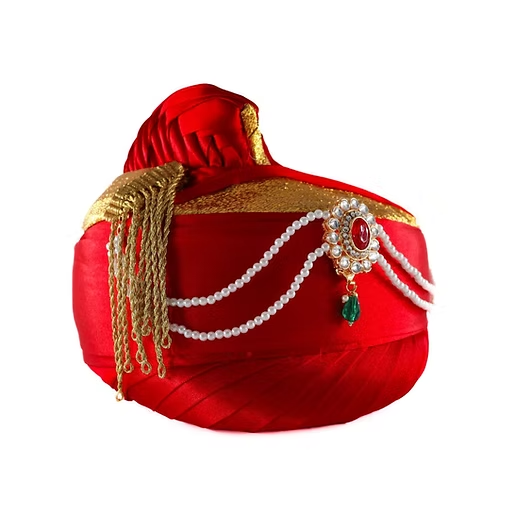
A Puneri Pagadi (lit. “Pune turban”) is a distinctive traditional headgear that symbolizes pride, honor, and cultural identity in the city of Pune, Maharashtra. Introduced two centuries ago, it reflects the dignity, discipline, and heritage of Pune’s people.
Although once worn only by scholars and social reformers as a mark of prestige, the pagadi today graces festive occasions, weddings, political ceremonies, and college traditional days—continuing its legacy as a timeless emblem of Pune’s pride.
Recognized as one of Maharashtra’s most iconic cultural symbols, the Puneri Pagadi received its Geographical Indication (GI) tag on 4 September 2009, officially protecting it as the intellectual property of Pune.
History and Origin
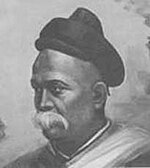
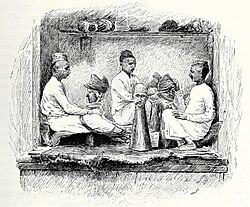
The Puneri-style pagadi was introduced in the 19th century by Mahadev Govind Ranade, a noted social reformer. It was later worn by legendary figures such as Lokmanya Bal Gangadhar Tilak, J.S. Karandikar, D.D. Sathye, Dr. Vitthalrao Gade, Tatyasaheb Kelkar, and Datto Vaman Potdar, symbolizing intellect, self-respect, and civic pride.
The pagadi gained renewed fame in 1973 after featuring prominently in the Marathi play Ghashiram Kotwal, transforming it into a statewide icon of honor and heritage.
Over time, its role has evolved—but its symbolic essence endures as a representation of Pune’s identity, heritage, and values.
Design and Characteristics
| Aspect | Details |
|---|---|
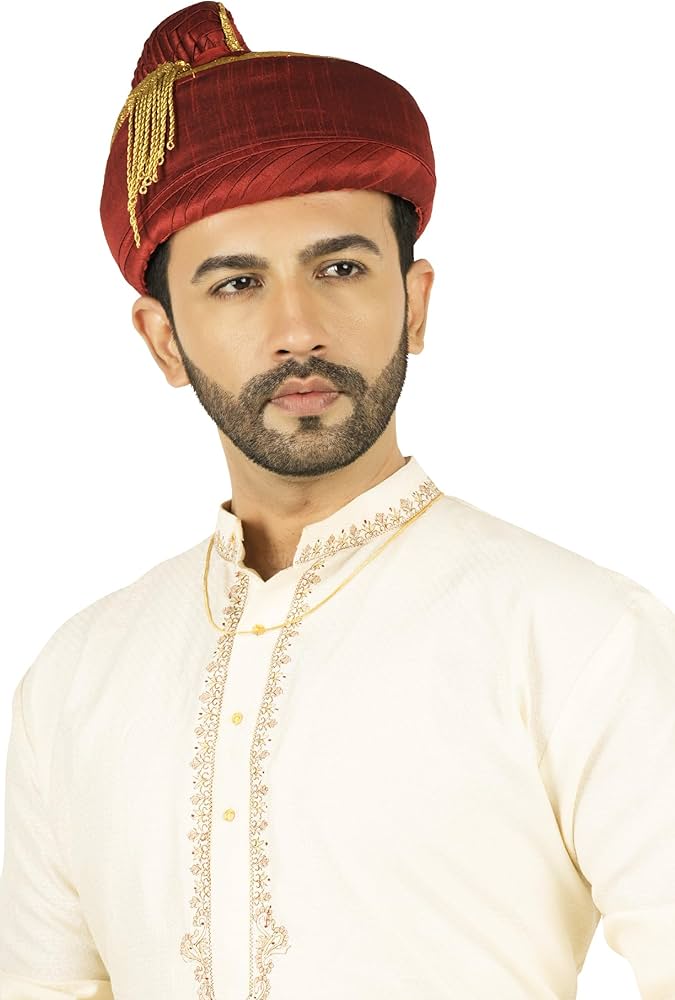
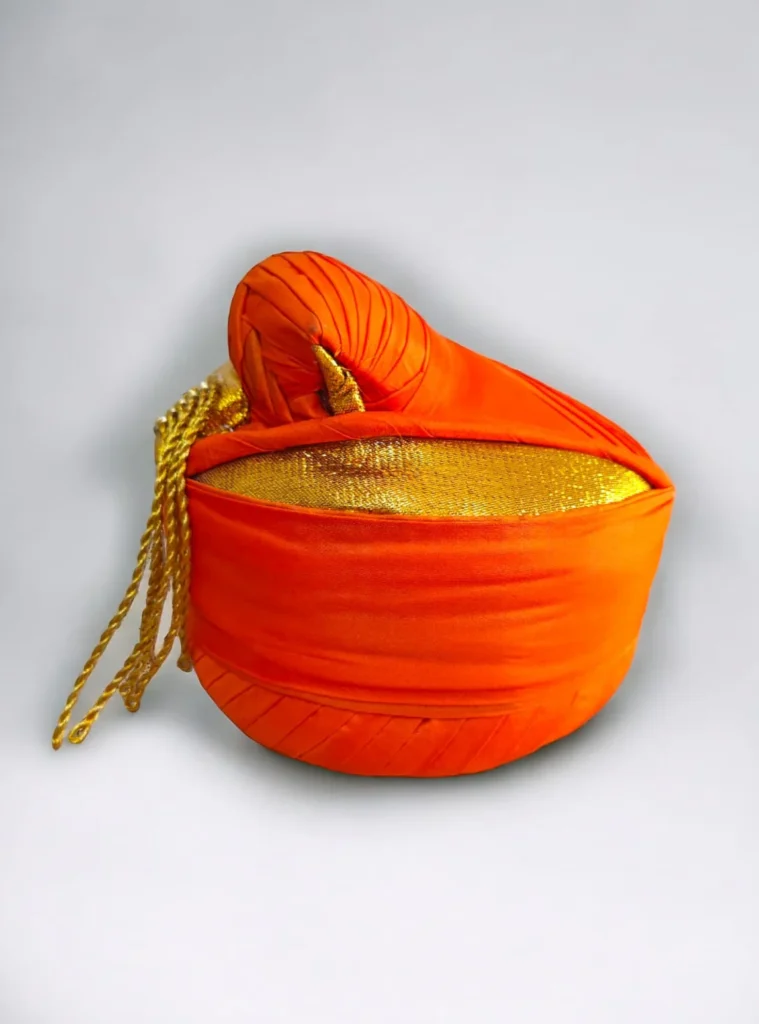
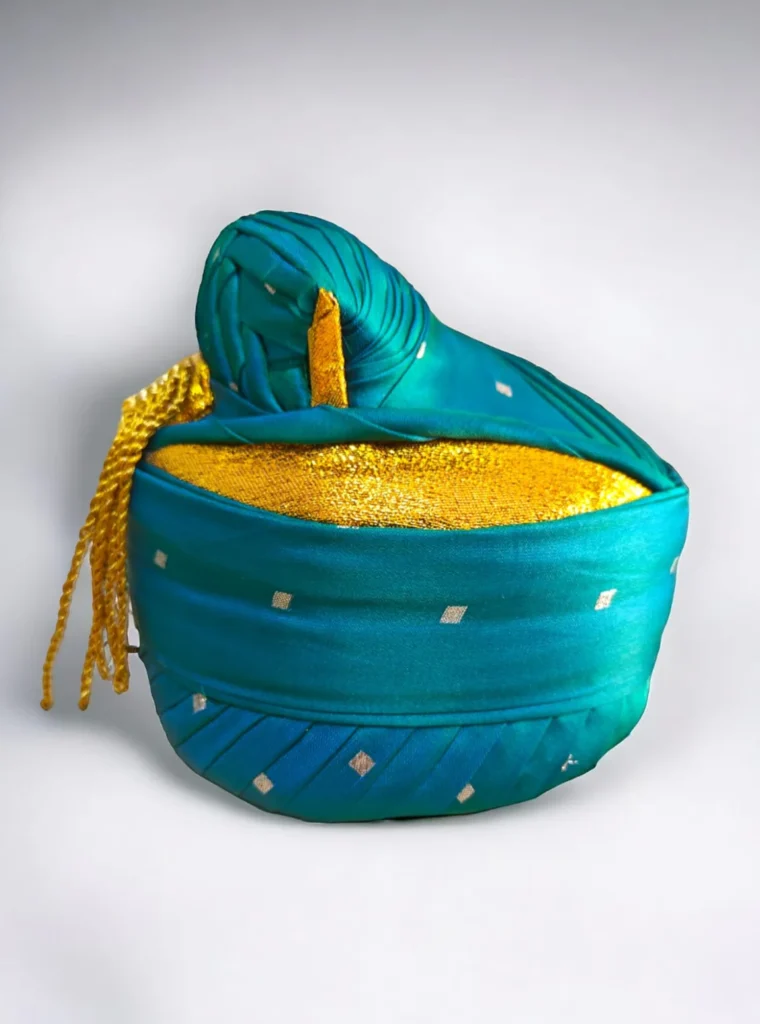
| Shape | Square-folded turban with a crisp, upright form |
| Color | Traditionally maroon or wine red; also seen in white and saffron |
| Material | Fine cotton or silk fabric |
| Texture | Starched finish giving sharp edges and firm structure |
| Symbolism | Represents dignity, discipline, and Pune’s cultural grace |
| Occasions | Ceremonies, festivals, traditional days, and honor events |
Manufacturing and Craftsmanship
| Step | Process | Description |
|---|---|---|
| 1️⃣ | Fabric Selection | Cotton or silk fabric selected for smoothness and durability. |
| 2️⃣ | Cutting & Folding | Cloth is measured and folded geometrically to form the classic Puneri square front. |
| 3️⃣ | Starching | Natural starch is applied to provide stiffness and preserve shape. |
| 4️⃣ | Molding & Finishing | Shape is fixed, edges hemmed, and optional embellishments added. |
| 5️⃣ | Inspection | Each pagadi checked for firmness, balance, and color quality. |
Manufacture and Export
The Puneri Pagadi industry, though niche, plays a valuable role in promoting Pune’s cultural craftsmanship both in India and abroad. Production is carried out by skilled artisans, cooperative clusters, and small-scale textile entrepreneurs who ensure every pagadi reflects authenticity and tradition.
| Aspect | Details |
|---|---|
| Type | Traditional Headgear / Handcrafted Cultural Product |
| Primary Material | Cotton and Silk Fabric |
| Crafting Technique | Hand-folding, starch finishing, and manual shaping |
| Production Hub | Pune District, Maharashtra |
| Registered (GI Tag) | 4 September 2009 |
| Domestic Market | Maharashtra, Goa, Karnataka, Gujarat |
| Export Destinations | USA, UK, UAE, Singapore, Japan (as cultural souvenir) |
| Processing Units | Local artisan cooperatives and Pune Handicraft Clusters |
| Support Bodies | Maharashtra State Handicrafts Development Corporation, APEDA, KVIC |
| Product Applications | Ceremonial Gifts, Cultural Events, Souvenir Merchandise |
The pagadi is often exported in limited quantities as a heritage souvenir, gifted to dignitaries and international visitors. It serves as a tangible representation of Pune’s cultural heritage and craftsmanship.
Growing interest in ethnic and eco-friendly fashion accessories has opened new opportunities for the Puneri Pagadi in tourism and cultural exports.
Cultural and Historical Importance
For Puneites, the Puneri Pagadi is more than an accessory—it is an expression of honor, self-respect, and cultural continuity.
Symbol of Identity: Represents Pune’s disciplined and intellectual character.
Heritage Pride: Links modern generations to 19th-century reformist ideals.
Cultural Revival: Frequently seen in civic parades, weddings, and state functions.
The GI recognition ensures that every authentic pagadi crafted in Pune continues this legacy with integrity and pride.
Recognition and Legacy
The Geographical Indication (GI) status awarded in 2009 under the Geographical Indications of Goods (Registration and Protection) Act, 1999 granted Pune’s artisans legal protection and recognition for their heritage craft.
Local cooperatives, design institutes, and cultural bodies have since collaborated to revive the pagadi tradition, blending its historic essence with contemporary fashion to appeal to younger audiences.
Conclusion
From the reformist era of Mahadev Govind Ranade to the bustling cultural festivals of modern Pune, the Puneri Pagadi remains a living emblem of honor and heritage.
It embodies the pride of a city known for intellect, discipline, and dignity—standing as a crown of tradition that connects generations. The GI status ensures this proud legacy endures, safeguarding the craftsmanship and spirit that make the Puneri Pagadi a timeless symbol of Maharashtra’s cultural excellence.