Bangalore Rose Onion – Premium Quality Indian Onion
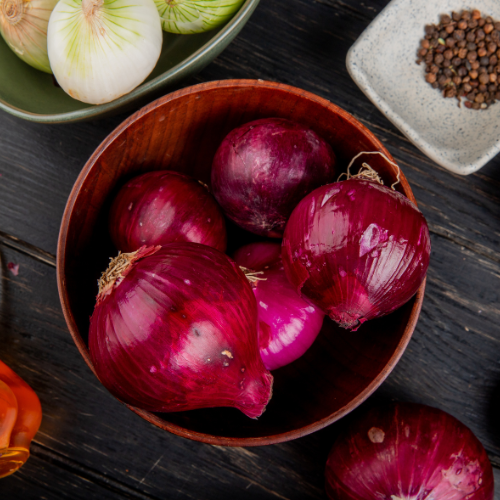
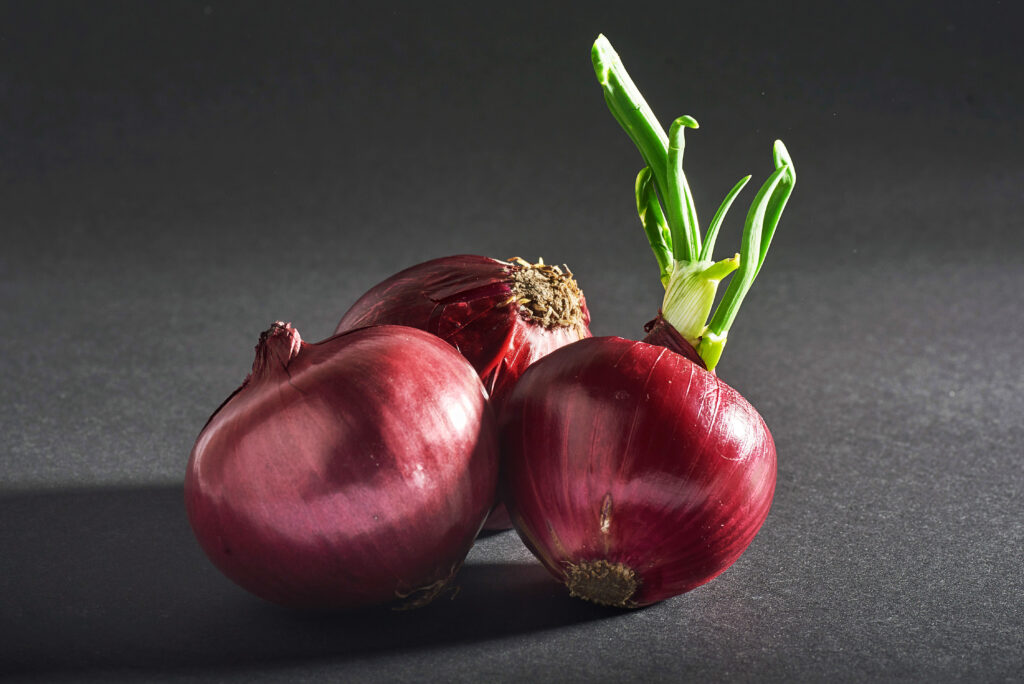
The Bangalore Rose Onion, renowned for its distinctive rosy hue, mild sweetness, and long shelf life, stands as one of Karnataka’s most celebrated agricultural treasures. Cultivated for generations in and around Bengaluru, this onion variety reflects the state’s rich farming heritage and its growing prominence in global horticultural exports.
Recognized with a Geographical Indication (GI) Tag in 2015, the Bangalore Rose Onion is not just a culinary ingredient—it’s a symbol of quality, tradition, and regional pride.
History and Origin
The cultivation of Bangalore Rose Onion dates back over a century in the fertile red loamy soils of Bengaluru Urban, Bengaluru Rural, Chikkaballapur, and Kolar districts.
The unique soil composition and semi-arid climate of this region give the onion its signature pinkish-red color and mild flavor.
Historically, this onion was grown by small farming communities for local markets. Over time, its superior quality and aesthetic appeal gained popularity across India and abroad, leading to its GI recognition under “Agricultural Products” (GI No. 178).
Bangalore Rose Onions are grown in the districts of Bangalore Urban, Bangalore Rural, Chikkaballapur, and Kolar.
They were also historically cultivated in Tumkur, Hassan, Davanagere, Dharwad, and Bagalkot.
Importantly, Bangalore Rose Onions are not cultivated in any other place in India, preserving their regional authenticity and exclusivity.
Cultivation and Production Process
The cultivation of Bangalore Rose Onion involves traditional techniques blended with modern precision, ensuring every bulb retains its characteristic flavor, aroma, and sheen.
| Step | Process | Details |
|---|---|---|
| 1 | Soil Preparation | Grown in red loamy, well-drained soil rich in iron and minerals. |
| 2 | Seed Selection | Small, healthy bulbs are chosen from previous harvests to maintain genetic purity. |
| 3 | Sowing and Growth | Bulbs are sown in raised beds; moderate irrigation ensures firm bulbs. |
| 4 | Irrigation | Controlled watering avoids excess moisture, preserving the onion’s crispness. |
| 5 | Harvesting | Conducted 90–110 days after sowing, once the foliage begins to dry. |
| 6 | Curing and Storage | Bulbs are sun-dried and stored in aerated conditions to enhance shelf life. |
Manufacture and Export
The processing and export of the Bangalore Rose Onion form a vital part of Karnataka’s agri-based economy. The crop supports thousands of smallholder farmers and cooperatives engaged in sustainable horticultural practices.
| Aspect | Details |
|---|---|
| Type | Horticultural Produce |
| Species | Vitis labrusca (also called Isabella) |
| Color of Berry Skin | Noir (Deep purple to bluish-black) |
| Primary Production Areas | Bengaluru Urban, Chikkaballapur, and Kolar districts |
| Registered (GI Tag) | 2015 |
| Domestic Market | Major Indian cities, spice and pickle industries |
| Export Destinations | Singapore, Malaysia, Sri Lanka, UAE, and European markets |
| Processing Units | HOPCOMS, farmer cooperatives, and private exporters |
| Support Bodies | APEDA, Karnataka State Horticulture Department, National Horticultural Board |
The onions are exported both as fresh produce and in processed forms such as dehydrated flakes, onion powder, and paste, ensuring they meet international quality standards.
The Bangalore Rose Onion’s unique color and sweetness have also attracted demand in gourmet markets and high-end food brands.
Cultural and Economic Importance
For the farmers of Bengaluru and its surrounding districts, the Bangalore Rose Onion is more than just a crop—it’s a legacy. Its cultivation sustains over 10,000 small and marginal farmers, many of whom practice traditional, eco-friendly techniques passed down through generations.
Economically, it contributes significantly to Karnataka’s horticultural exports, while socially, it empowers rural communities through cooperative farming and employment in post-harvest operations such as cleaning, grading, and packaging.
Recognition and Global Reach
Awarded the Geographical Indication (GI) Tag in 2015, the Bangalore Rose Onion stands as a hallmark of Karnataka’s agricultural excellence.
Its mild sweetness, vibrant color, and consistent bulb size have made it a favorite among international chefs, gourmet suppliers, and food processors.
Supported by government bodies like APEDA and the Horticulture Department of Karnataka, the GI branding continues to enhance its global visibility, turning this humble onion into a premium export commodity.
Conclusion
From the red loamy soils of Bengaluru to international kitchens and markets, the Bangalore Rose Onion continues to shine as a symbol of Karnataka’s agricultural heritage and innovation.
Its delicate sweetness, appealing color, and natural resilience make it not just a crop—but a living testament to the state’s enduring farming traditions and global agricultural identity.