Premium Uttarakhand Red Rice– Organic & Nutritious Grain from India
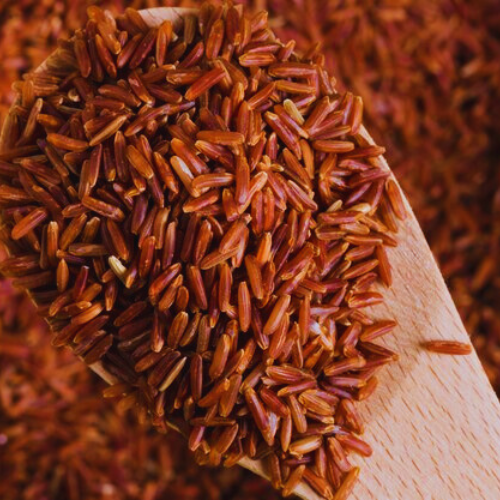
Rich in color, aroma, and nutrition- Uttarakhand Lal Chawal (Red Rice) is a unique indigenous variety cultivated in the serene valleys of the Himalayas. Known locally as Garhwali Red Rice, it represents the perfect balance between traditional farming and modern health consciousness.
Grown organically through rain-fed methods, this rice reflects the mountain farmers’ deep bond with nature, sustaining livelihoods while preserving ecological harmony.
Geographical Indication
History and Origin of Uttarakhand Rice
The cultivation of red rice in Uttarakhand dates back centuries, rooted in the self-sustained hill farming systems of Garhwal and Kumaon.
This rice evolved naturally in the mineral-rich soils and cool climate of the Himalayas, giving it its distinct red color and robust flavor.
Traditionally used in religious offerings and festive meals, Lal Chawal is now recognized as a heritage crop, linking the region’s cultural legacy with modern nutritional science.
Cultivation & Processing
| Step | Process | Details |
|---|---|---|
| 1️⃣ | Soil Preparation | Loamy, well-drained hill soil enriched with natural compost. |
| 2️⃣ | Seed Sowing | Indigenous seeds are sown during June–July with the onset of monsoon. |
| 3️⃣ | Irrigation | Entirely rain-fed; terraced fields retain moisture naturally. |
| 4️⃣ | Growth Period | 4–5 months at altitudes of 1,000–1,800 meters. |
| 5️⃣ | Harvesting | Hand-harvested between October and November. |
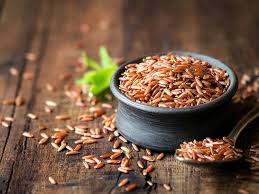
| 6️⃣ | Processing | Sun-dried and de-husked using traditional wooden hullers to retain the red bran layer. |
Distinctive Features
Natural Red Pigment: Contains anthocyanins — potent antioxidants supporting heart and immune health.
Nutrient-Rich: High in iron, zinc, and fiber; aids digestion and prevents anemia.
Rain-Fed & Organic: Cultivated without chemical fertilizers or pesticides.
Distinct Aroma & Taste: Mildly nutty with a firm texture.
High-Altitude Adaptation: Thrives in mineral-rich Himalayan soils.
Culinary Significance
Used widely in traditional Garhwali and Kumaoni cuisine, Uttarakhand Lal Chawal is an integral part of daily diets and festive dishes.
Popular Preparations:
Red Rice Khichdi – a wholesome lentil-rice blend.
Sweet Red Rice Kheer – cooked with milk and jaggery.
Served with Phaanu or Chainsoo – traditional lentil-based curries.
Its low glycemic index and high fiber content also make it ideal for modern health-conscious diets.
Uttarakhand Lal Chawal is more than a grain — it is a living legacy of the Himalayas.
With its GI recognition (2023), organic purity, and growing global appeal, this red rice stands as a beacon of traditional wisdom, sustainable farming, and nutritional excellence.
Manufacture & Export
In Uttarakhand’s hill districts of Chamoli, Almora and Bageshwar, thousands of small-scale farmers, organized through organic cooperatives, cultivate and process this red rice for both domestic and global markets.
| Aspect | Details |
|---|---|
| Domestic Market | Growing demand in organic, health-food and specialty grain segments. |
| Export Destinations | Ships to the USA, UK, Japan, UAE and several European countries. |
| Government Support | Backed by Uttarakhand State Organic Commodity Board (USOCB) and APEDA under the GI initiative for branding and market access. |
Cultural and Ecological Importance
Beyond its nutritional value, Uttarakhand Red Rice carries spiritual and cultural importance. It is often used in religious ceremonies and as a symbol of purity during regional festivals.
Environmentally, it supports sustainable mountain agriculture, conserving biodiversity and preventing soil erosion through traditional terraced farming.
Economically, it uplifts rural and women-led farming communities, reinforcing the principles of organic livelihood and fair trade.
Conclusion
Uttarakhand Lal Chawal is more than a grain it is a living legacy of the Himalayas.
With its GI recognition (2023), organic purity, and growing global appeal, this red rice stands as a beacon of traditional wisdom, sustainable farming, and nutritional excellence.