Guntur Sannam Chilli – Premium Red Chilli from Andhra Pradesh
Bold, vibrant, and irresistibly hot — the Guntur Sannam Chilli (Capsicum annuum var. longum) stands as one of India’s most iconic spice exports. Cultivated in the fertile districts of Guntur, Prakasam (Andhra Pradesh), and Warangal, Khammam (Telangana), this slender red chili is a cornerstone of Indian agriculture and a global ambassador of flavor.
Registered as a Geographical Indication (GI) product of Andhra Pradesh under the Geographical Indications of Goods (Registration and Protection) Act, 1999, the Guntur Sannam Chilli symbolizes excellence in cultivation, processing, and trade.
Basic Overview
| Attribute | Details |
|---|---|
| Name | Guntur Sannam Chilli (గుంటూరు సన్నం మిర్చి) |
| Scientific Name | Capsicum annuum var. longum |
| Type | Agricultural Produce / Spice |
| Region of Origin | Guntur, Prakasam (Andhra Pradesh); Warangal, Khammam (Telangana) |
| Country | India |
| Registered (GI Tag) | Andhra Pradesh (under GI of Goods Act, 1999) |
| Scoville Heat Units (Pungency) | 35,000 – 40,000 SHU |
| Colour Value (ASTA) | 35 – 50 |
| Major Uses | Culinary seasoning, chili powder, pickles, spice blends |
| Recognition | Globally renowned for color, aroma, and consistent pungency |
Origin and Agricultural Background
The Guntur Sannam Chilli traces its roots to the rich agricultural lands of Andhra Pradesh. Belonging to the Capsicum annuum species, it thrives in the region’s tropical climate and fertile black soils.
India ranks first globally in chili production, with Andhra Pradesh contributing nearly 46% of the national yield. Recognizing its importance, the Government of Andhra Pradesh established the Regional Research Station at LAM (near Guntur) over three decades ago to study advanced cultivation techniques and hybrid varieties.
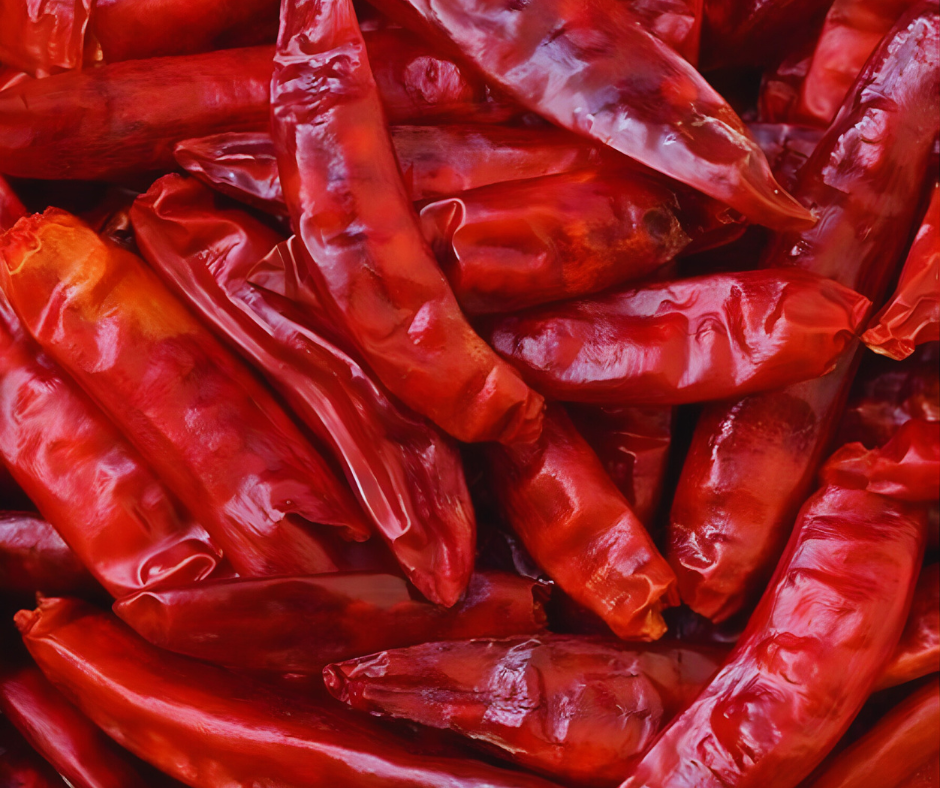
The name ‘Guntur Sannam’ itself reflects its legacy — Guntur denotes its geographic identity, while Sannam (Telugu for thin) refers to the chili’s slender, elongated form.
Cultivation and Production
| Parameter | Details |
|---|---|
| Ideal Soil | Black cotton soil and red loamy soil |
| Climate | Hot, humid, and semi-arid |
| Sowing Season | June – September |
| Harvesting Season | December – March |
| Irrigation | Moderate (drip irrigation preferred) |
| Harvest Duration | 120–150 days after transplantation |
| Average Yield | 25–30 quintals per hectare |
Manufacturers and Exporters
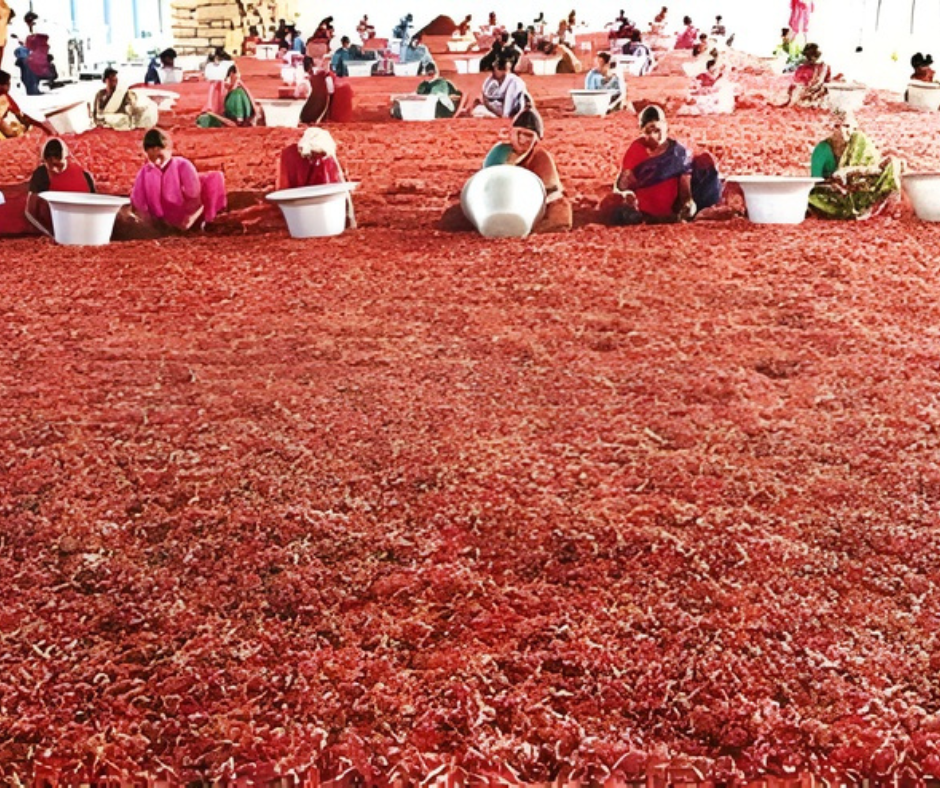
The Guntur region serves as the central hub for India’s chili trade and processing. From traditional sun-drying yards to state-of-the-art spice factories, the area hosts a thriving ecosystem of farmers, processors, and exporters who ensure that Guntur’s fiery flavor reaches kitchens across the world.
| Manufacturer / Exporter | Location | Specialty |
|---|---|---|
| Guntur Mirchi Yard (Asia’s Largest Chili Market) | Guntur, Andhra Pradesh | Primary auction and distribution center for raw and processed chillies. |
| Spices Board of India | Guntur Regional Office | Promotes export certification, quality control, and global trade facilitation. |
| Teja Spices Pvt. Ltd. | Guntur, Andhra Pradesh | Leading exporter of Guntur Sannam and Byadgi chillies; specializes in powder and flakes. |
| Vijayalakshmi Spices | Prakasam District | High-grade chili powder production and international export. |
| South India Spices Exporters Consortium | Hyderabad | Collective promoting standardized packaging and overseas shipment. |
| Chilli Exporters Association (CEA) | Guntur | Represents exporters, ensures traceability and GI compliance. |
Cultural and Economic Significance
Guntur Sannam Chilli holds deep cultural value in Indian cuisine, especially in South India where bold flavors and rich colors are an essential part of everyday cooking and festive dishes. Its bright red appearance and distinctive heat have made it a staple ingredient in households, restaurants, and traditional recipes for generations. Beyond food, it reflects regional identity and long-standing agricultural traditions passed down through farming families.
Manufacturer & Top Brands – Guntur Sannam Chilli
| Cluster / Institution | Founded | Promoter | Product Type | Market Reach | Ownership | Origin |
|---|---|---|---|---|---|---|
| Traditional Chilli Farming Families | Ancient | Hereditary Farmers | Natural Dry Red Chilli | Local / Regional | Family-based | Andhra Pradesh |
| Guntur Chilli Yard (APMC Cluster) | 1960s | Agricultural Market Committees | Graded & Auctioned Chillies | National / Export | Government-Regulated | Guntur, Andhra Pradesh |
| Spice Exporter Associations | 1980s | Export Companies | Processed & Packed Chillies | Global | Private | India |
| State Spice Development Boards | 1980s–90s | Govt. Bodies | Quality Control & Promotion | National / Global | Government | India |
| Private Spice Brands & MSMEs | 2000s | Entrepreneurs | Branded Red Chilli Packs | National / Online | Private | India |
| Farmer Producer Organizations (FPOs) | 2010s | Farmer Groups | Organic / Premium Chillies | National | Cooperative | Andhra Pradesh |
Conclusion
Guntur Sannam Chilli stands as a powerful symbol of India’s rich agricultural heritage and spice excellence. Known for its vibrant red color, strong aroma, and balanced heat, it has earned a respected position in both domestic and international markets. From traditional farming families to modern exporter networks and government-supported spice boards, the entire ecosystem works together to maintain quality, authenticity, and global demand.
Its consistent grading standards, large trading hubs like Guntur Market Yard, and growing presence of private brands and farmer producer organizations ensure sustainability and economic growth for local communities. Overall, Guntur Sannam Chilli is not just a spice—it represents tradition, livelihood, and India’s bold culinary identity on the world stage.