Leather Bags: India’s Timeless Craft of Elegance and Endurance
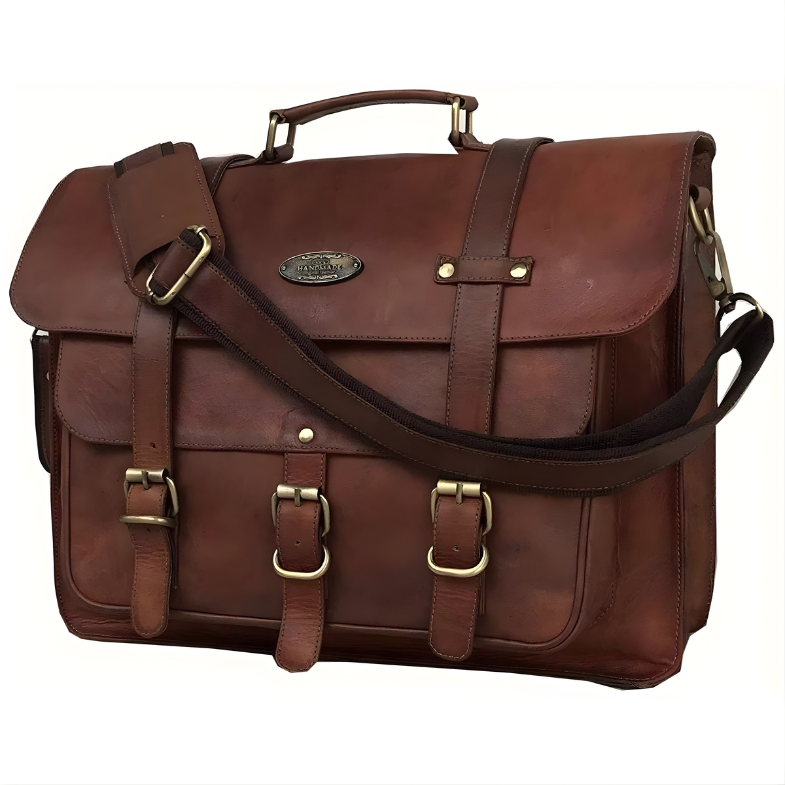
India, a land celebrated for its intricate artistry and deep-rooted craftsmanship, has long been home to exquisite leather products that reflect both functionality and cultural richness. Among these, leather bags stand out as a symbol of timeless elegance and durability — an ethnic craft that seamlessly blends tradition with modern utility. Crafted by skilled artisans using age-old techniques, Indian leather bags are admired worldwide for their fine workmanship, natural texture, and eco-friendly tanning methods.
From royal courts to contemporary fashion ramps, these bags have traveled centuries, retaining their authentic charm while evolving with global trends. Let us explore the fascinating journey of Indian leather bags — their origin, craftsmanship, global appeal, and the brands that carry their legacy forward.
History and Cultural Significance
Leatherworking in India dates back to the Indus Valley Civilization (circa 3000 BCE), where early evidence of animal hide usage was discovered in tools and garments. Over time, leather became an integral part of Indian life — used for musical instruments, footwear, bookbinding, and royal accessories. However, it was during the Mughal era that leather craftsmanship gained prominence as a refined art form.
Artisans began producing intricately designed leather goods — pouches, saddlebags, belts, and decorative covers — often adorned with embroidery, metallic studs, and natural dyes. Leather bags, in particular, became a symbol of prestige and practicality among traders, travelers, and nobility.
Culturally, leather artisans in India have historically belonged to specialized communities who passed down their techniques through generations. Despite modernization, many of these families continue to preserve the authenticity of the craft, ensuring that each product tells a story of heritage, skill, and sustainability.
Origin City/Region: The Leather Hubs of India
Several regions across India are renowned for their distinct styles and tanning traditions, but Kanpur (Uttar Pradesh) and Kolkata (West Bengal) stand out as the epicenters of India’s leather bag industry.
Kanpur – Often called the Leather City of India, Kanpur is known for its premium vegetable-tanned leather and traditional craftsmanship. The city has been producing high-quality leather goods since the 19th century and is one of India’s largest leather export centers today.
Kolkata – Famous for its soft, fine-grain leather, Kolkata specializes in handcrafted fashion accessories, including handbags, wallets, and purses that blend vintage charm with modern aesthetics.
Chennai (Vellore and Ambur) – Another major leather hub, Tamil Nadu contributes significantly to the export of finished leather products and is home to several reputed leather processing units.
Each of these regions has contributed its own flavor to India’s leather heritage — whether it’s the durability of Kanpur leather, the finesse of Kolkata craftsmanship, or the eco-conscious tanning methods of Tamil Nadu.
Traditional Making Process
The art of crafting an Indian leather bag is a delicate balance between heritage and precision. Despite the advent of machines, many artisans still rely on traditional handcrafting techniques that give each piece its unique personality.
Here’s a step-by-step overview of the process:
Selection of Leather:
Artisans carefully choose hides — usually from buffalo, cow, or goat — depending on the product’s intended strength and texture. Premium vegetable-tanned leather is often preferred for its natural finish and eco-friendly properties.Tanning:
The hides are tanned using natural materials such as bark, seeds, or fruit extracts, a process that can take several weeks. Traditional vegetable tanning not only enhances durability but also ensures the leather develops a rich patina over time.Cutting and Pattern Making:
Once tanned, the leather is stretched, flattened, and cut into precise shapes using templates. Skilled artisans mark patterns with remarkable accuracy to minimize waste.Stitching and Assembly:
Each piece is meticulously hand-stitched using waxed cotton or nylon thread. Artisans often employ saddle stitching, a time-honored technique that ensures strength and longevity.Finishing and Polishing:
The bags are polished using natural oils or beeswax, which enhances their shine and softness. Traditional motifs, embossing, or hand-tooling may be added for ornamental value.Quality Check and Packaging:
Every bag undergoes strict inspection for quality, stitching consistency, and finishing before it is ready for the market.
This process, blending patience and passion, results in a product that is not just an accessory but a work of art — each piece reflecting the craftsman’s touch and the legacy of Indian artisanship.
Global Appeal and Recognition
Indian leather bags have earned a strong reputation in the global fashion and lifestyle market due to their craftsmanship, affordability, and sustainable production methods. Here’s why they are cherished worldwide:
Sustainability: The use of vegetable tanning and natural dyes makes Indian leather products more eco-friendly compared to chemically treated alternatives.
Handcrafted Excellence: Each piece showcases the artisan’s individuality, ensuring uniqueness in design and finish.
Design Versatility: Indian brands have adapted to global tastes, offering everything from rustic messenger bags to sleek office totes and luxury handbags.
Competitive Pricing: Despite premium quality, Indian leather bags remain cost-effective for international buyers.
Today, India exports leather goods, including bags, to over 100 countries, with major markets in the USA, Germany, the UK, Italy, and France. According to the Council for Leather Exports (CLE), India’s leather and leather goods exports in FY 2023–24 were valued at over USD 5.2 billion, with leather bags and accessories forming a growing segment.
Brand Spotlight: Hidesign
One of India’s most internationally recognized leather brands is Hidesign, a name synonymous with luxury, sustainability, and craftsmanship.
Founded: 1978
Founder: Dilip Kapur
Headquarters: Pondicherry, India
Annual Turnover: Approximately ₹250–300 crore (USD 30–35 million)
Export Reach: Over 25 countries, including the UK, USA, Australia, and several European nations.
Overview:
Hidesign began as a small two-person workshop in Pondicherry, where Kapur aimed to revive the lost art of natural tanning and handcrafted leather goods. Today, the brand has evolved into a global icon, combining minimalist European aesthetics with traditional Indian techniques.
Its products — especially handbags, laptop bags, and travel accessories — are made from eco-friendly, vegetable-tanned leather and handcrafted by skilled artisans. Hidesign’s commitment to sustainability and fair-trade practices has positioned it as a trusted name in both domestic and international markets.
Proudly Made in India: The Legacy Continues
Indian leather bags are more than fashion accessories — they are living embodiments of cultural continuity, craftsmanship, and creativity. From the workshops of Kanpur to the design studios of Pondicherry, each bag narrates India’s enduring relationship with natural materials and artisanal excellence.
In a world shifting towards conscious consumption, these handcrafted leather products reflect India’s sustainable luxury — ethical, elegant, and enduring. With growing global demand, evolving designs, and brands like Hidesign leading the way, the Indian leather bag industry proudly upholds the spirit of “Made in India, Loved Worldwide.”