Aipan Art – Traditional Uttarakhand Folk Décor
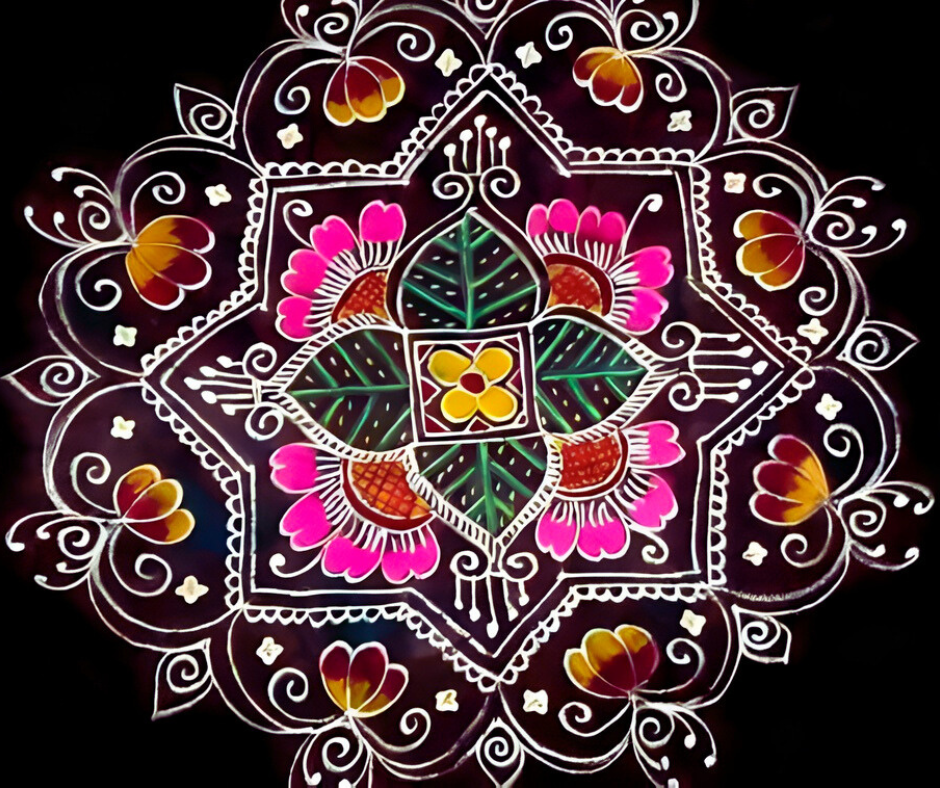
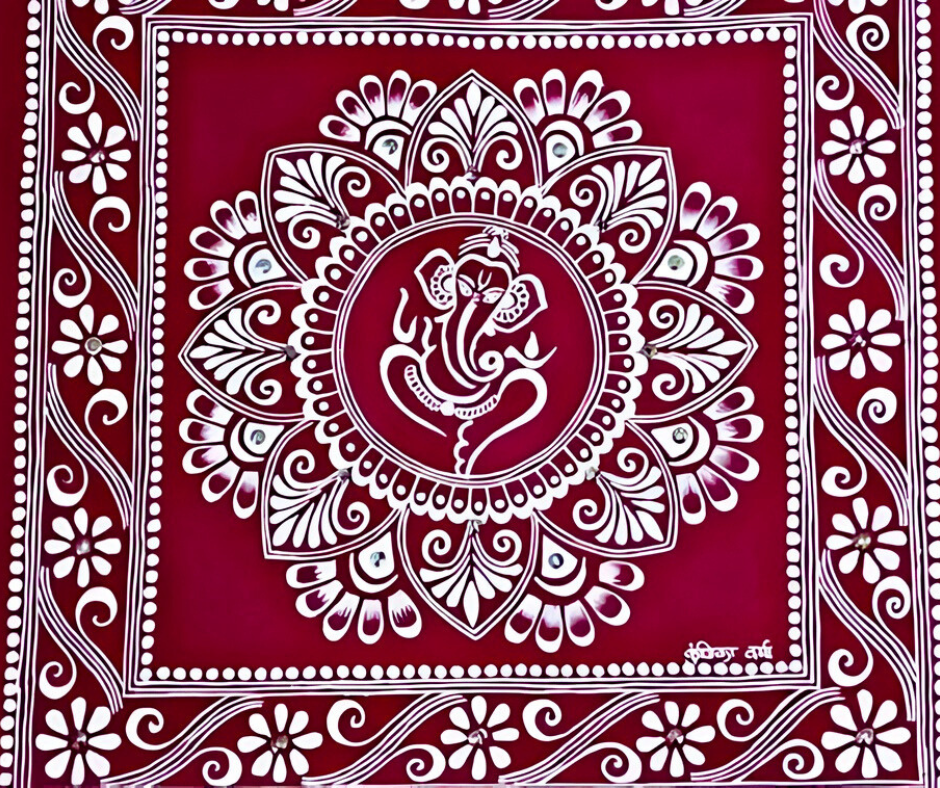
Aipan Art is a traditional Indian folk painting style that originated in the Kumaon region of Uttarakhand. Recognized for its white ritualistic and geometric patterns drawn on red backgrounds, this cultural art form has been historically practiced by women during festivals and religious ceremonies. These sacred designs are believed to invite prosperity, positivity, and divine blessings into homes while also enhancing visual beauty.
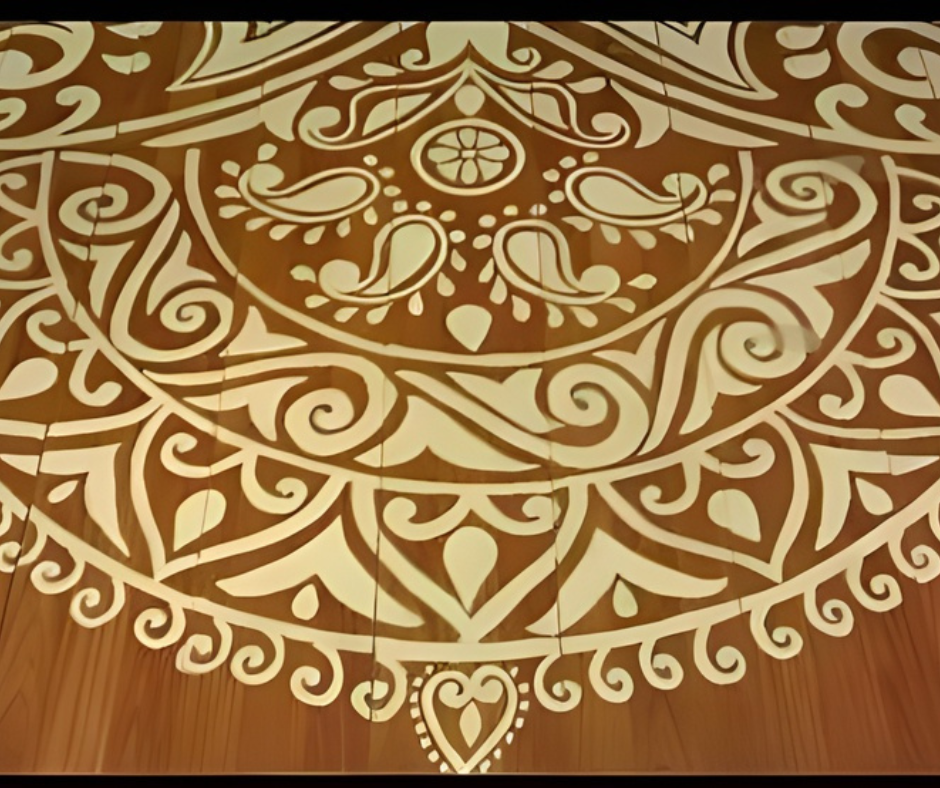
Over time, these traditional Kumaoni designs moved beyond home thresholds and courtyards into modern wall décor, canvas paintings, wooden panels, and lifestyle products. What once remained a ritual floor art has now evolved into a year-round decorative style appreciated for its symmetry, spirituality, and handcrafted elegance.
Basic Overview of Aipan Folk Painting
| Field | Details |
|---|---|
| Name | Aipan Art |
| Origin Region | Kumaon, Uttarakhand |
| Established | Ancient Folk Tradition |
| Art Type | Ritual Floor & Wall Painting |
| Primary Colors | White on Red Base |
| Materials Used | Rice Paste (Biswar), Geru Soil |
| Motif Style | Geometric & Religious Symbols |
| Method | Freehand Drawing |
| Usage | Festivals, Entrances, Wall Décor |
| Market Presence | India & International |
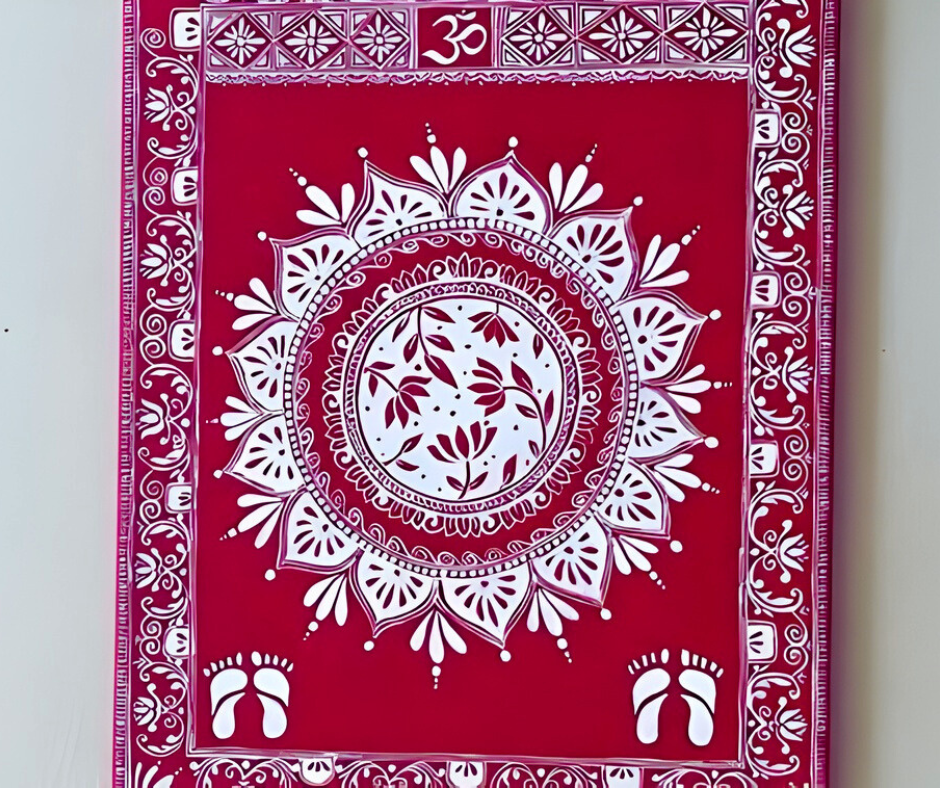
This decorative tradition began as a sacred domestic practice where women decorated courtyards, doors, and prayer rooms before occasions like Diwali, weddings, and naming ceremonies. The surface was first coated with Geru (red ochre soil) and then detailed white patterns were drawn using rice paste known as Biswar. Design knowledge passed orally through generations, preserving authenticity without written manuals.
With modernization and rising interest in ethnic décor, these white-on-red motifs expanded into canvas art, textiles, stationery, and digital illustrations while maintaining spiritual symbolism and geometric balance.
Growth & Recognition of Traditional Aipan Designs
Ancient Era: Ritual threshold drawings in village households
Medieval Period: Cultural spread across Uttarakhand regions
Late 20th Century: Entry into exhibitions and craft fairs
Modern Era: Adoption in home décor and designer products
Global Reach: Increasing demand in handmade art markets
Key Features of Aipan Art Designs
Sacred Symbolism in Aipan Painting
Motifs represent deities, prosperity, and protection.
Geometric Precision of Folk Aipan Designs
Balanced dots, lines, and symmetrical patterns.
Minimal Color Palette of Aipan Wall Art
Classic white artwork on red ochre surfaces.
Handcrafted Authenticity of Kumaoni Ritual Art
Freehand drawing without stencils or rulers.
Cultural Heritage Value of Aipan Tradition
Deep roots in local rituals and customs.
Versatile Décor Appeal of Aipan Wall Designs
Suitable for ethnic, festive, and modern interiors.
Eco-Friendly Nature of Traditional Aipan
Uses natural rice paste and organic soil pigments.
Market Presence of Aipan Wall Painting in India
Popular in ethnic and heritage décor markets
Featured in handicraft exhibitions and art fairs
Preferred for spiritual and minimalist interiors
Growing interest among young designers and DIY artists
Available through cooperatives and online craft stores
Aipan Art – Top Brands / Artisan Clusters
| Name | Founded | Promoter | Business Type | Market Reach | Ownership | Origin |
|---|---|---|---|---|---|---|
| Uttarakhand Handloom & Handicraft Dev. Council | 2001 | Govt. of Uttarakhand | Craft Promotion & Training | Domestic | Government | India |
| Dastkar | 1981 | Artisan NGO | Craft Exhibitions & Promotion | International | Non-Profit | India |
| Okhai | 2002 | Tata Initiative | Handmade Lifestyle Products | Domestic & Export | Social Enterprise | India |
| Gaatha Handicrafts | 2011 | Private Entrepreneurs | Online Craft Retail | International | Private | India |
| Rural Kumaoni Artisan Clusters | Traditional | Local Communities | Ritual Art & Wall Décor | Domestic | Community | India |
Conclusion – Timeless Elegance of Aipan Folk Art
This traditional white-on-red folk painting beautifully reflects how a simple household ritual evolved into a globally admired décor tradition. Its spiritual symbolism, geometric precision, and handcrafted authenticity continue to make it a cherished element of Uttarakhand’s cultural heritage. Blending tradition with contemporary aesthetics, this art form remains a living expression of India’s creative continuity and indigenous craftsmanship.