Bhagalpuri Tussar Silk – India’s Timeless Handloom Heritage
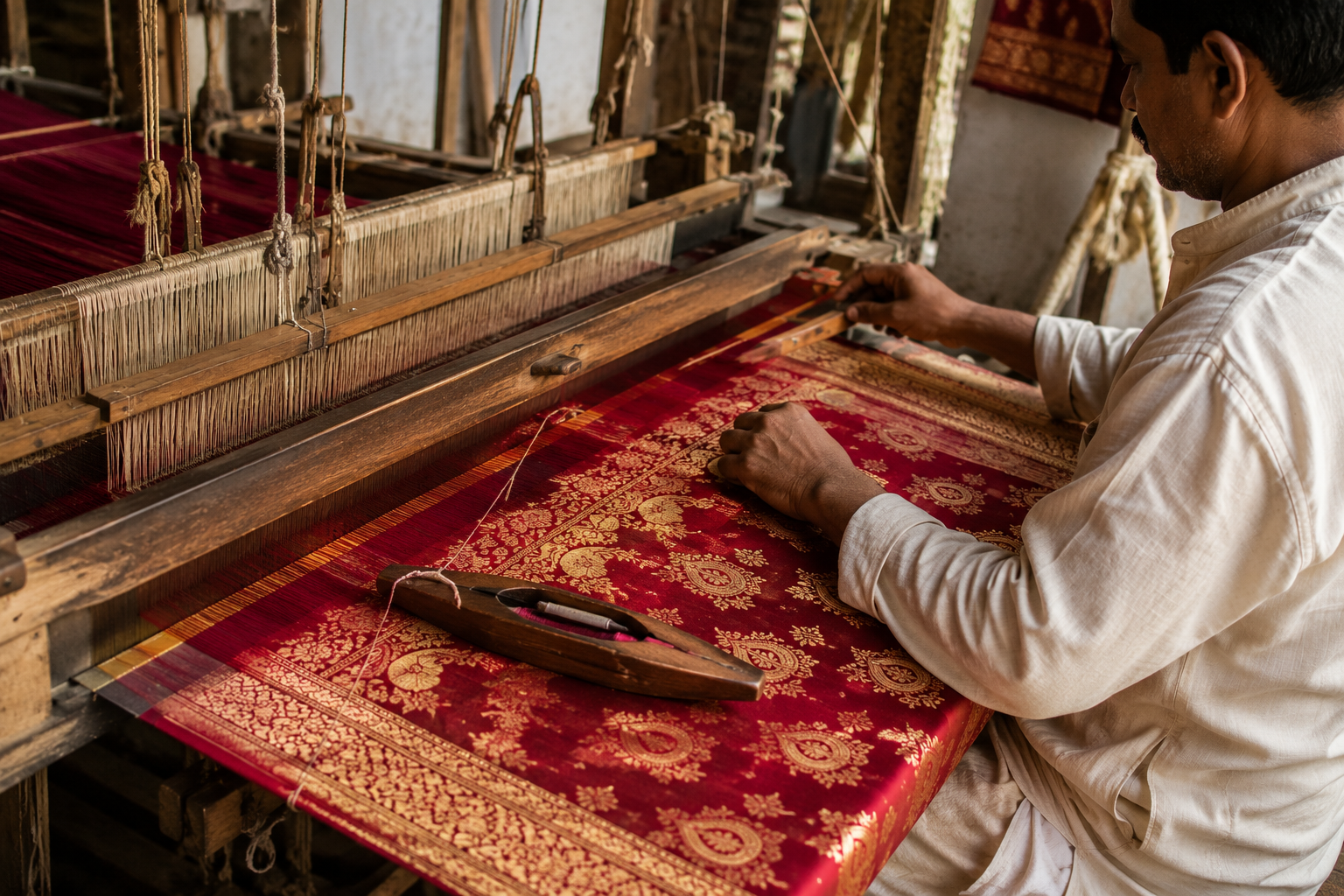
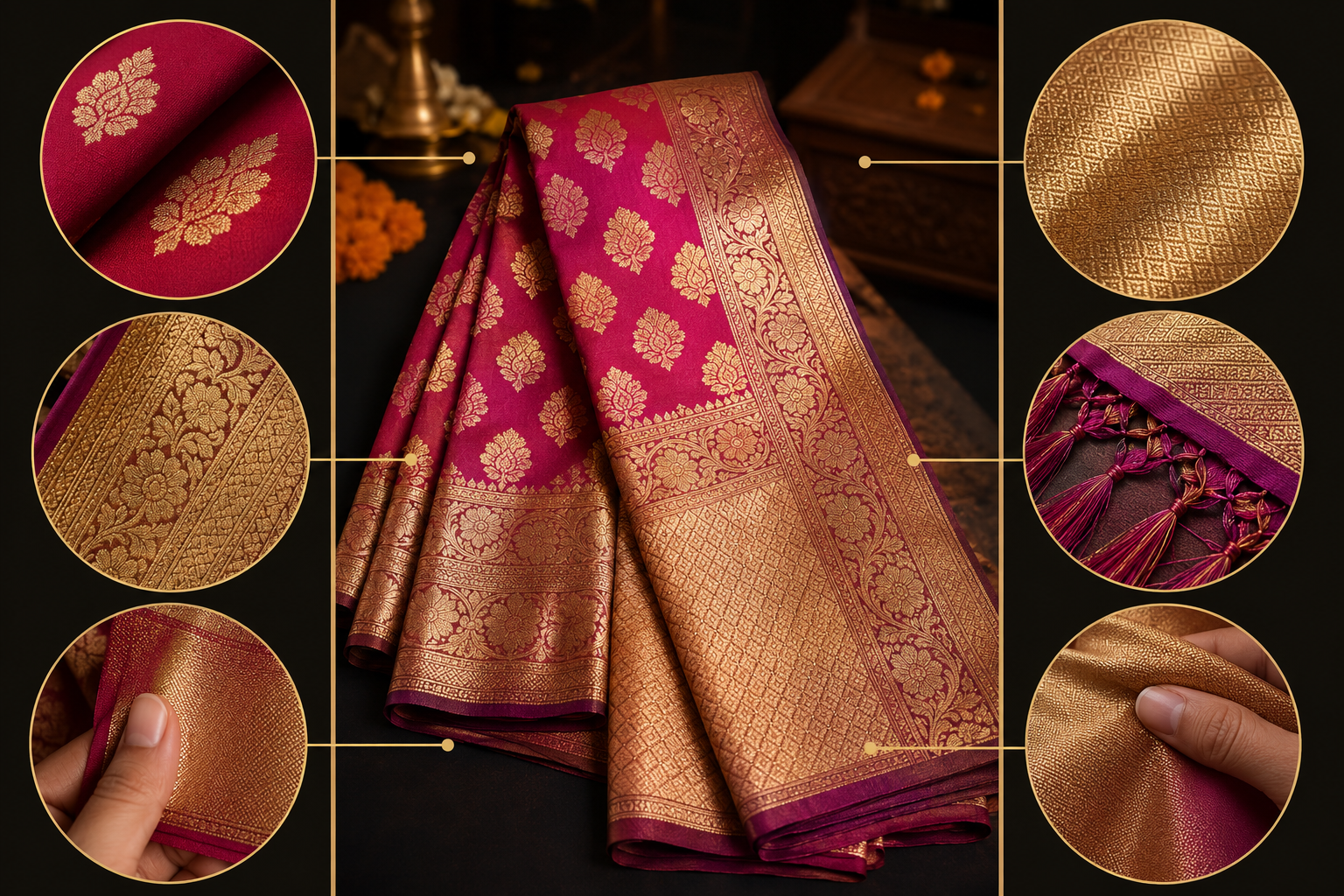
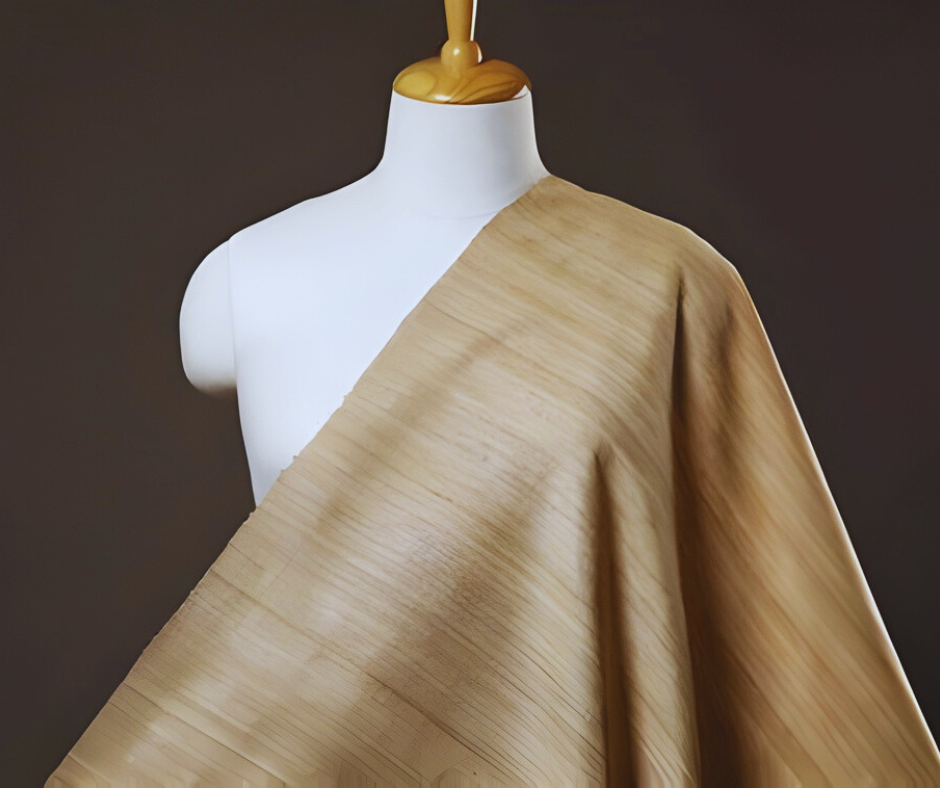
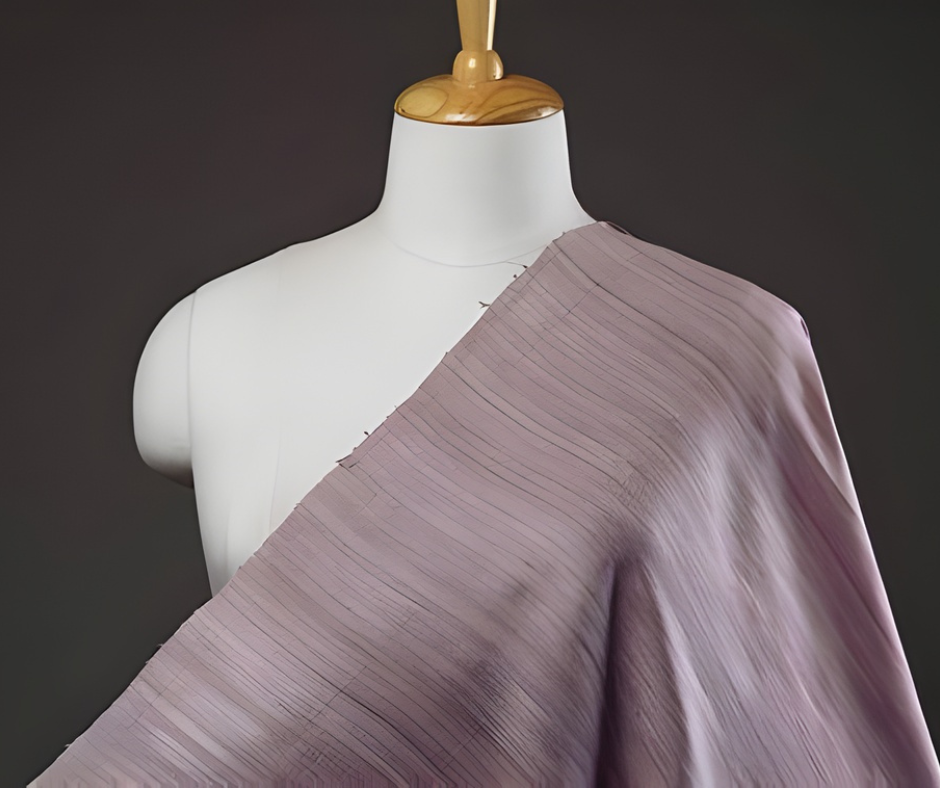
Bhagalpuri Tussar Silk is one of India’s most celebrated handloom fabrics, originating from Bhagalpur, Bihar, widely known as the “Silk City of India.” This silk is admired for its natural golden sheen, rich texture, and breathable comfort, making it a preferred choice for both traditional and contemporary fashion. Unlike smooth mulberry silk, tussar silk has a slightly coarse yet elegant finish that reflects its organic roots and artisanal craftsmanship.
Basic Overview
| Attribute | Details |
|---|---|
| Origin Place | Bhagalpur, Bihar, India |
| Established / Era | 18th–19th Century Traditional Weaving Heritage |
| Famous As | Silk City Fabric / Bhagalpuri Silk |
| Fabric Type | Natural Tussar (Tasar) Silk |
| Texture | Slightly Coarse, Rich & Grainy Finish |
| Shine | Natural Golden Sheen |
| Weaving Method | Traditional Handloom Weaving |
| Main Products | Sarees, Dupattas, Stoles, Kurtas, Dress Materials, Home Décor |
| Raw Material Source | Wild Silkworm Cocoons (Forest Regions) |
| Climate Suitability | Breathable – Suitable for All Seasons |
| Industry Type | Artisan Families & Cooperative Clusters |
| Speciality | Eco-Friendly, Durable & Heritage Craft |
| Market Reach | Domestic + International Export |
Origin & Heritage
The weaving tradition in Bhagalpur dates back over two centuries. Generations of artisan families have preserved the skills of spinning, dyeing, and weaving silk on traditional handlooms. Due to its deep historical association with silk trade and craftsmanship, Bhagalpur earned its prestigious identity as a hub of natural silk production in India.
Key Features
Natural Golden Shine – Unique glow without heavy polishing
Textured Finish – Slightly grainy yet soft after finishing
Breathable & Comfortable – Suitable for all seasons
Eco-Friendly Fiber – Produced from natural silk sources
Versatile Use – Ideal for ethnic wear, fusion fashion, and décor
Crafting Process
Cocoon Collection – Tussar cocoons are sourced from forest areas.
Yarn Spinning – Fibers are hand-spun into silk threads.
Dyeing – Fabrics are colored using natural or modern dyes.
Handloom Weaving – Skilled artisans weave intricate textures.
Finishing – Polishing and softening enhance durability and feel.
Modern Relevance
Today, Bhagalpuri Tussar Silk plays a significant role in sustainable and luxury fashion. Designers appreciate its eco-friendly origin and textured elegance, while consumers value its durability and cultural authenticity. From festive sarees to modern office wear, the fabric adapts effortlessly to evolving trends.
Bhagalpuri Tussar Silk – Top Brands
| Cluster / Brand | Founded | Promoter | Business Type | Market Reach | Ownership | Origin |
|---|---|---|---|---|---|---|
| Bihar State Handloom Weaving Cooperative Society (BISWAN) | 1956 | Govt. of Bihar | Handloom Production & Promotion | Domestic | Cooperative | India |
| Udyog Bharti Bhagalpur | 1991 | Local Silk Entrepreneurs | Silk Promotion & Trade Support | Domestic & Export | Association | India |
| Bhagalpur Silk Cluster (DC Handlooms) | 2008 | Ministry of Textiles, Govt. of India | Cluster Development & Training | Domestic & Export | Government | India |
| Aditya Silk House (Bhagalpur) | 1985 | Private Owners | Manufacturing & Retail | Domestic | Private | India |
| Srijani Handloom | 2000s | Private Brand | Handloom Apparel & Fabrics | Domestic & Online | Private | India |
Conclusion
Bhagalpuri Tussar Silk is more than just a textile — it is a living legacy of Indian handloom artistry. Its natural sheen, handcrafted texture, and centuries-old tradition make it a symbol of elegance and cultural pride. Blending heritage with modern style, this silk continues to shine in both domestic and global fashion landscapes.