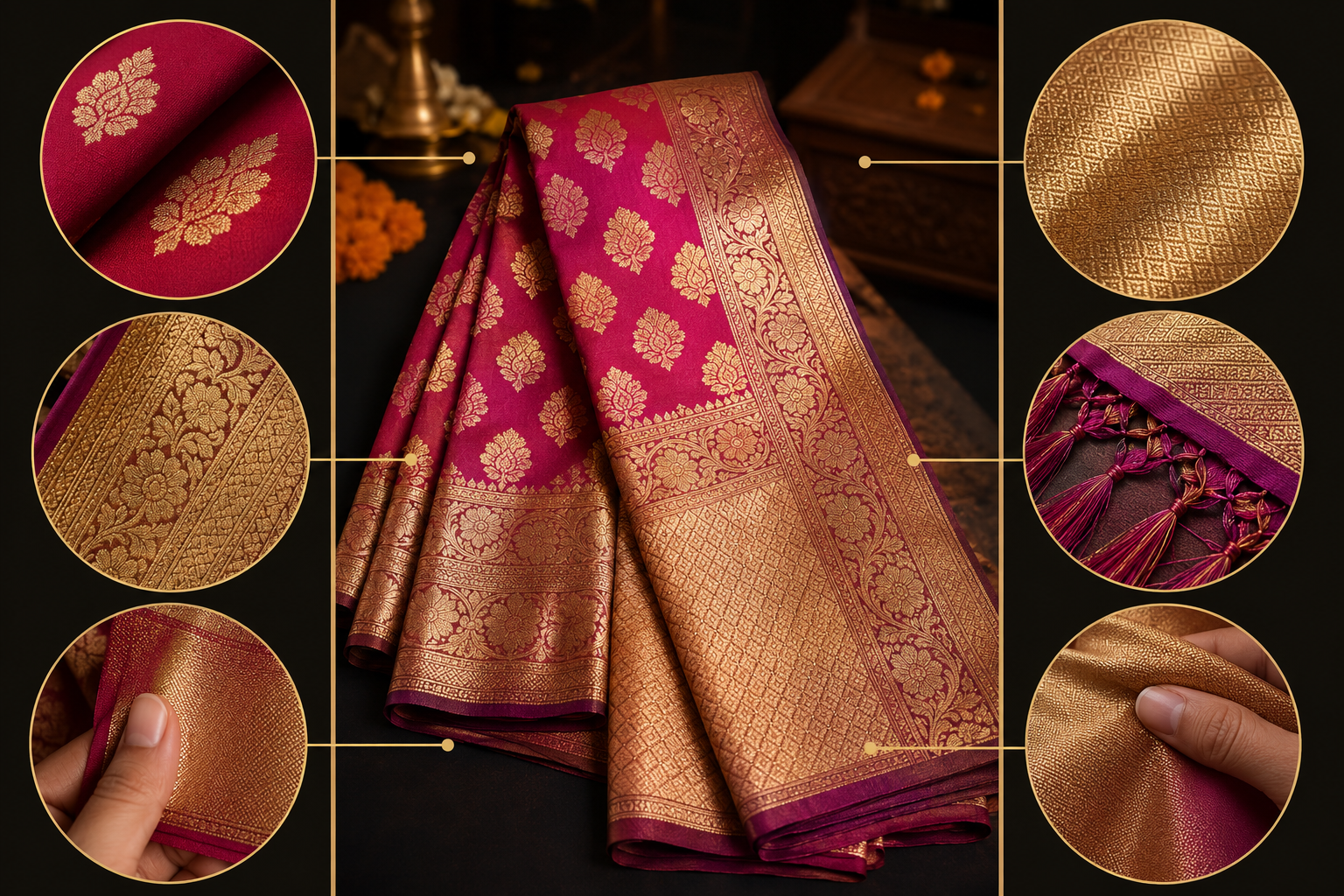
Kota Doria Saree Journey: From Royal Weave to Timeless Summer Elegance
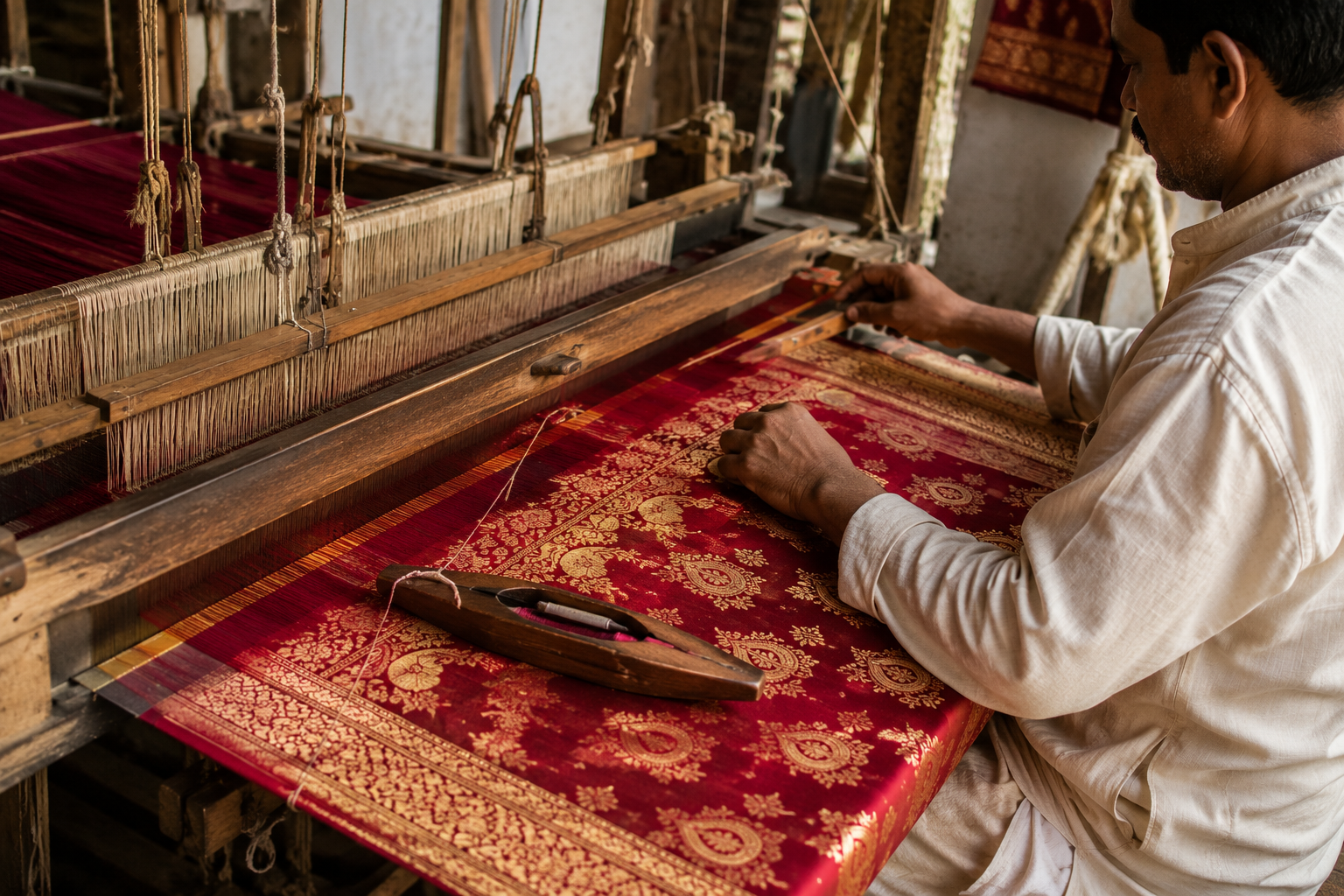
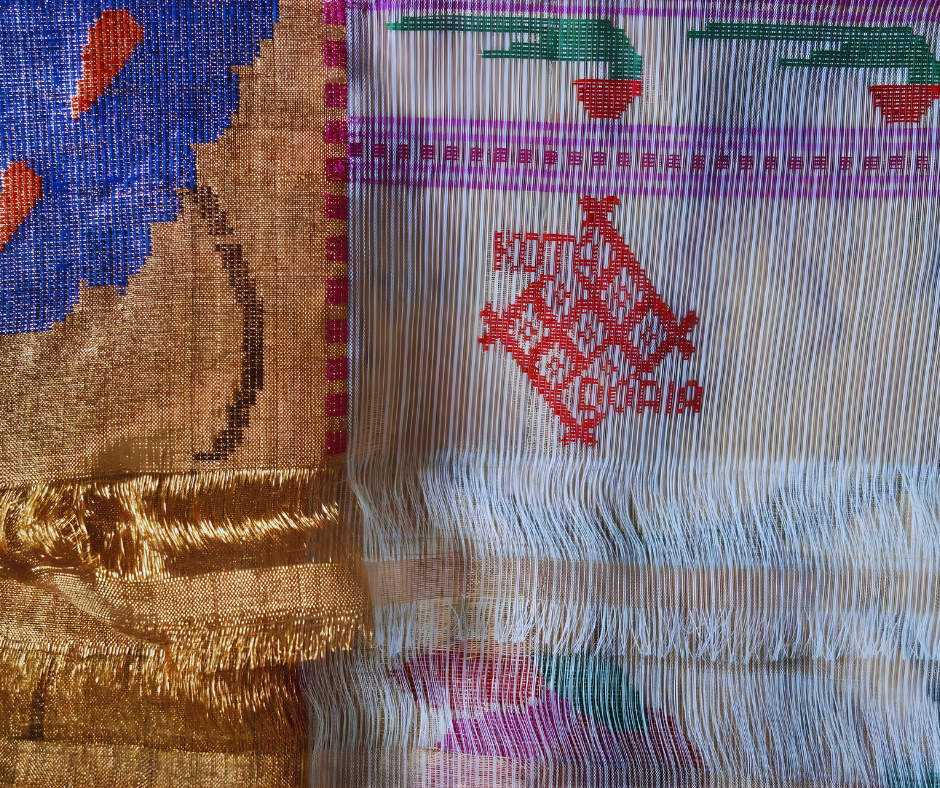
Kota Doria Saree, originating from the Kota region of Rajasthan, is a centuries-old handloom textile known for its ultra-lightweight texture and distinctive square check pattern called “Khat.” Traditionally woven using a blend of cotton and silk yarns, the fabric became popular among royal families for its comfort in hot climates and refined appearance.
Over time, the weaving tradition flourished in nearby Kaithoon village, which is now considered the main production hub. The craft later received Geographical Indication (GI) status, ensuring authenticity and artisan recognition. Today, Kota Doria sarees are worn across India and exported globally, admired for their breathable weave and understated elegance.
Basic Overview
| Field | Details |
|---|---|
| Craft Name | Kota Doria Saree |
| Origin Region | Kota, Rajasthan |
| Main Weaving Hub | Kaithoon Village |
| Established | 17th–18th Century |
| Fabric Type | Cotton–Silk Blend |
| Signature Pattern | Khat (Square Checks) |
| Weaving Method | Handloom / Pit Loom |
| GI Status | Yes |
| Usage | Daily Wear, Festive, Office Wear |
| Market Presence | India & International Export |
Kota Doria – Tracing Its Origins & Craft Evolution
Growth & Recognition Milestones
17th–18th Century: Royal patronage in Kota region established the weave.
19th–20th Century: Expansion of artisan clusters in Kaithoon village.
Early 2000s: Received GI Tag to protect authenticity.
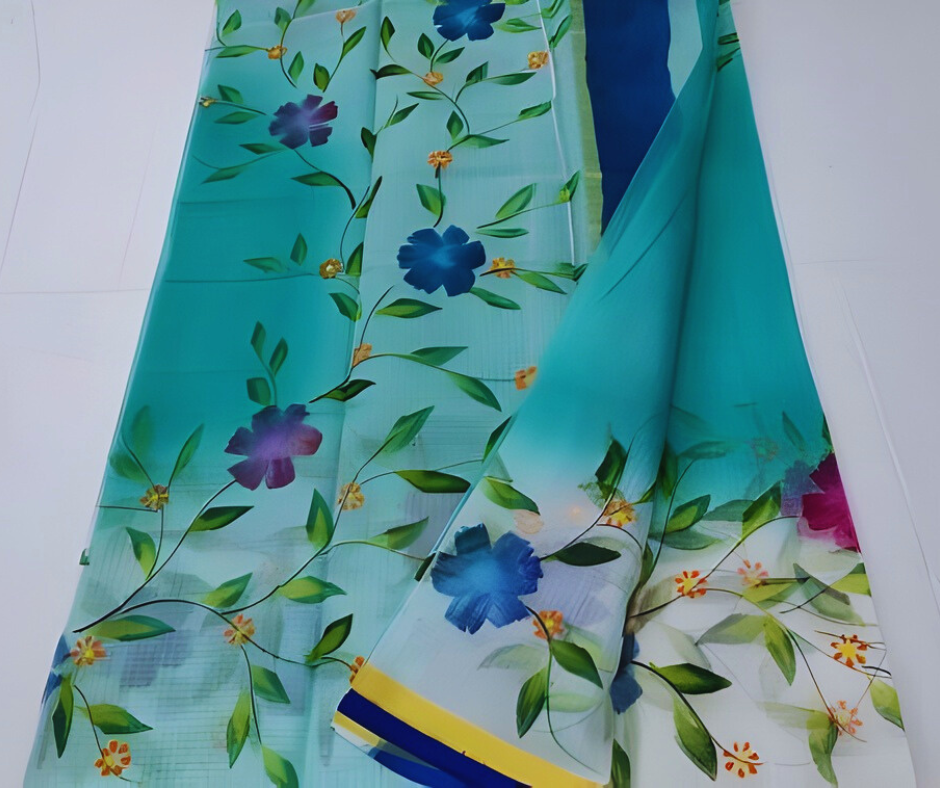
Modern Era: Adoption of contemporary colors, digital prints, and designer collaborations.
Export Markets: Growing demand in Asia, Europe, and the Middle East.
Key Features & Craft Strengths
Feather-Light Texture
Extremely breathable and ideal for summer climates.
Distinctive Khat Pattern
Uniform square checks unique to Kota weaving.
Cotton–Silk Blend
Combines durability with softness and sheen.
Handloom Heritage
Each saree is handcrafted on traditional looms.
Versatile Styling
Suitable for office wear, festivals, and weddings.
Cultural Authenticity
Recognized as a heritage textile of Rajasthan.
Sustainable Craft
Supports rural artisan livelihoods and eco-friendly production.
Market Presence & Craft Identity
Strong demand in urban ethnic fashion markets.
Preferred summer saree due to breathable fabric.
Recognized for pastel shades and minimalistic elegance.
Increasing popularity among young professionals and designers.
Available through handloom exhibitions, cooperatives, and online platforms.
Kota Doria Saree – Artisan & Cooperative Clusters
| Cluster / Brand | Founded | Promoter | Business Type | Market Reach | Ownership | Origin | Official URL |
|---|---|---|---|---|---|---|---|
| Kaithoon Weaver Families | Traditional | Local Artisan Communities | Handloom Weaving & Saree Production | Domestic & Export | Community Based | India | — (Local Artisan Cluster) |
| Rajasthan Handloom Development Corporation (RHDC) | 1978 | Govt. of Rajasthan | Handloom Promotion & Retail | National | Government | India | https://rhdc.rajasthan.gov.in |
| Taneira (Tata) | 2017 | Tata Group | Handloom & Textile Retail | International | Corporate | India | https://www.taneira.com |
| Kota Doria World | 2000s+ | Private Entrepreneurs | Kota Doria Saree Manufacturing & Online Retail | Domestic & Export | Private | India | https://kotadoriaworld.com |
| Vasansi Jaipur | 1980s+ | Vasansi Family | Ethnic Wear Manufacturing & Retail | International | Private | India | https://vasansi.in |
Conclusion
Kota Doria Saree – Timeless Lightness & Handloom Grace represents how a royal-era textile evolved into a modern wardrobe essential. Its breathable weave, signature check pattern, and cultural authenticity continue to make it one of India’s most loved summer sarees. Blending tradition with contemporary design, Kota Doria stands as a living symbol of Rajasthan’s enduring handloom heritage and artisan excellence.