Venkatagiri Saree – A Legacy of Lightweight Luxury
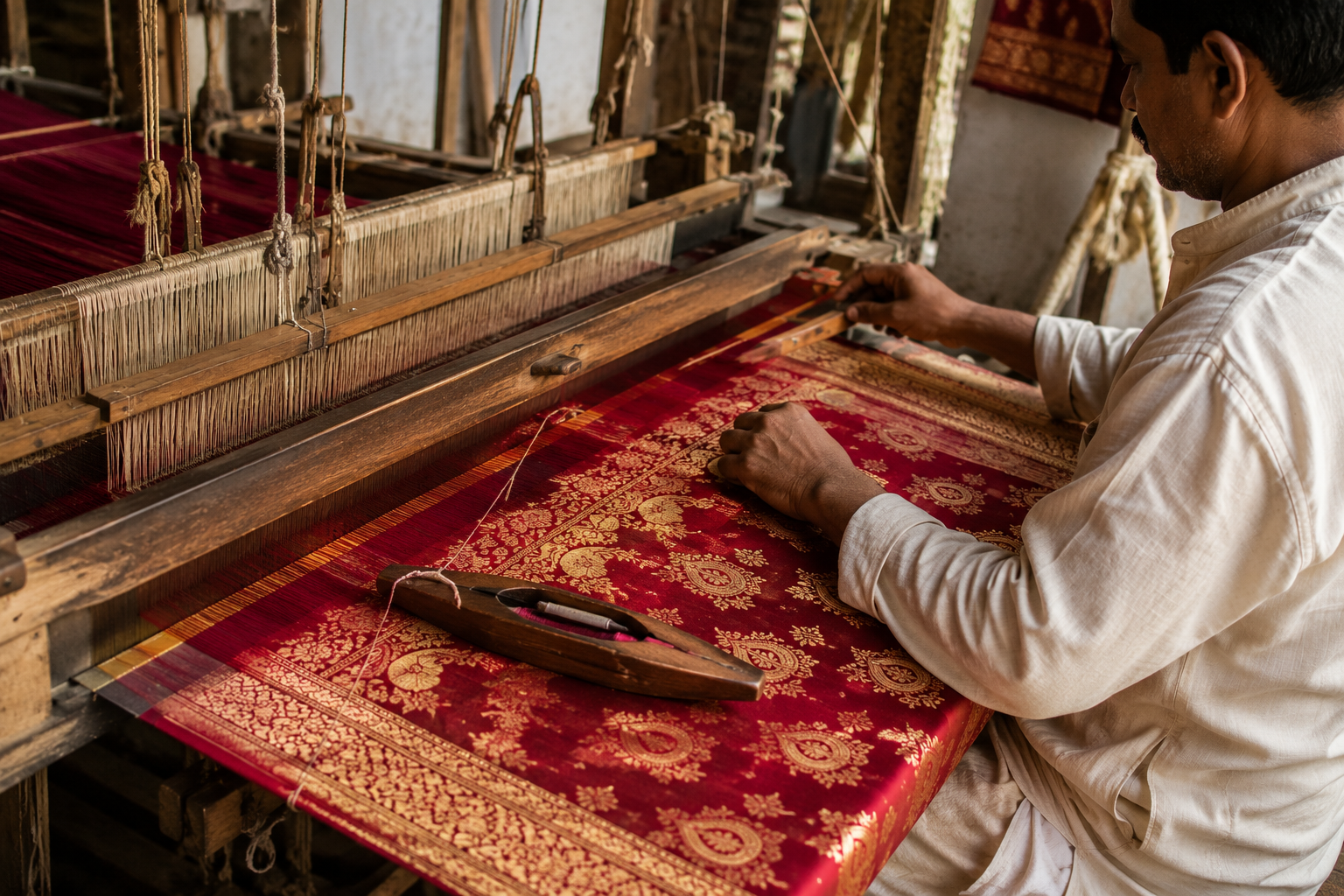
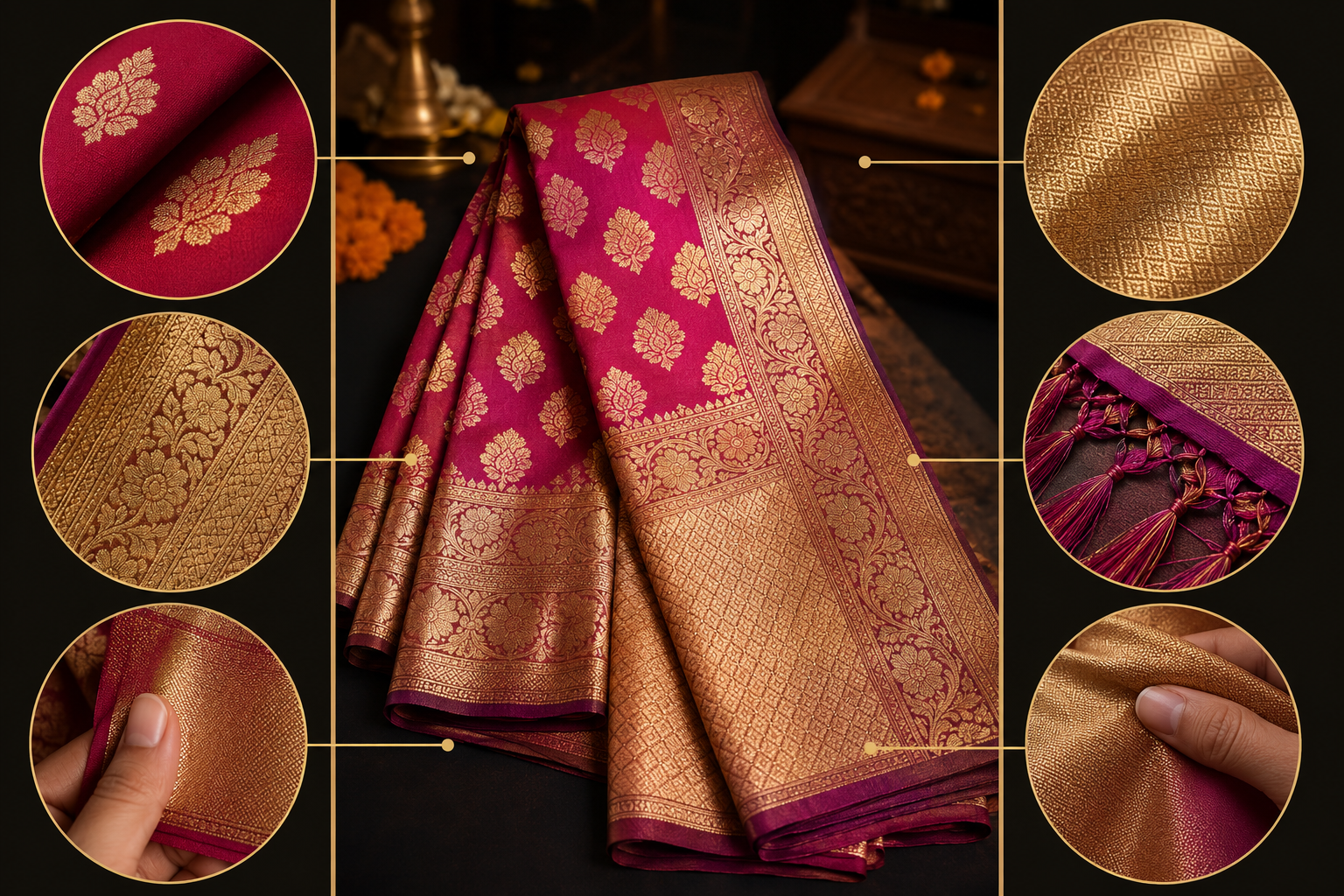
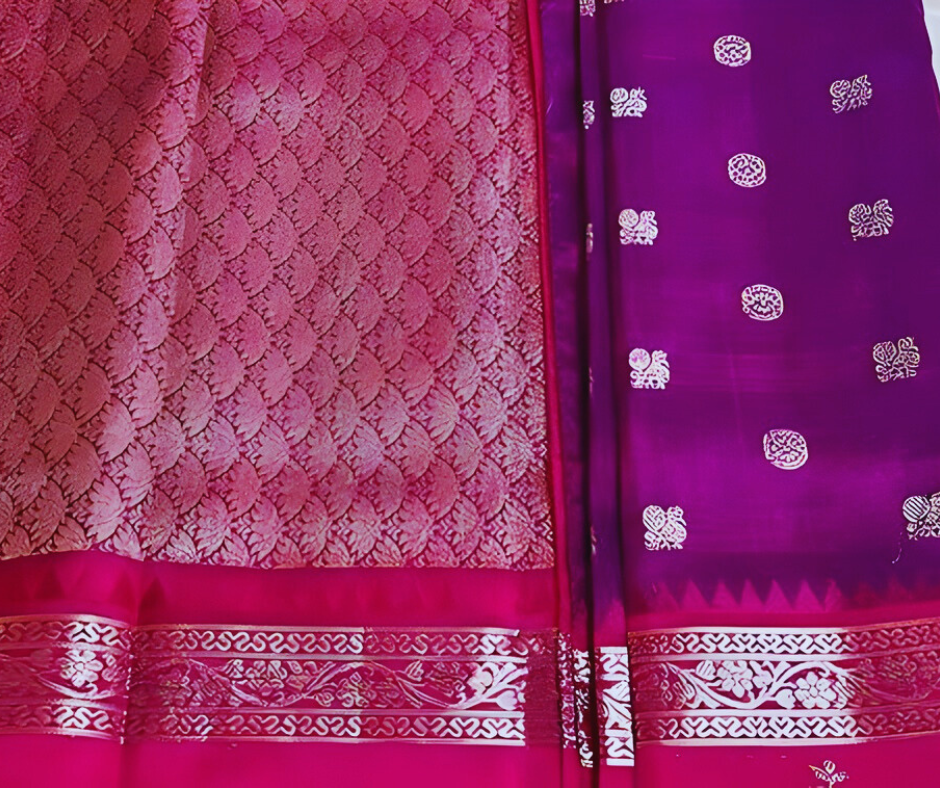
Venkatagiri Saree, originating from Venkatagiri town in Andhra Pradesh, is one of India’s most refined handloom sarees. Traditionally woven with fine cotton and pure silk yarns, these sarees are admired for their lightweight texture, soft drape, and delicate gold zari borders. Over centuries, the weave evolved from royal attire into a graceful choice for weddings, festivals, and formal wear across India.
During the 18th century, the craft flourished under the patronage of the Venkatagiri royal families, who encouraged intricate motifs and superior yarn quality. With time, Venkatagiri sarees expanded beyond courts into mainstream fashion, earning recognition as a symbol of minimal luxury and cultural heritage.
Basic Overview
| Field | Details |
|---|---|
| Craft Name | Venkatagiri Saree |
| Origin Town | Venkatagiri, Andhra Pradesh |
| Established Era | 18th Century |
| Fabric Type | Fine Cotton & Pure Silk |
| Specialty | Lightweight Weave with Zari Borders |
| Motifs | Floral Vines, Buttas, Paisleys, Temple Borders |
| Industry Type | Handloom Textile |
| Primary Use | Festive, Bridal & Formal Wear |
| Market Presence | Domestic & Export |
| Weaving Style | Traditional Handloom / Jamdani Influence |
| Country | India |
Venkatagiri Saree – Tracing Its Origins & Craft Evolution
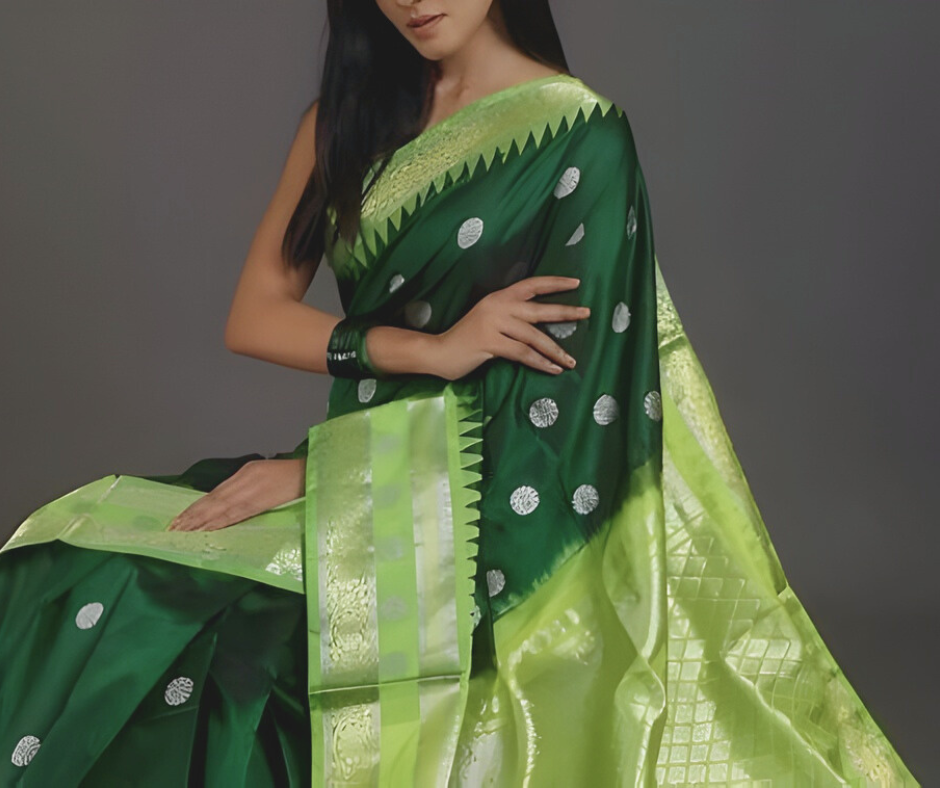
Venkatagiri sarees began as royal garments woven exclusively for kings and noble families. The early weaves used extremely fine cotton threads that produced an airy fabric suited to South India’s warm climate. Artisans developed subtle motifs and narrow zari borders, giving the saree a dignified yet understated look.
As public demand increased in the 20th century, weavers diversified into silk variants and pastel shades, blending tradition with modern taste. Despite design experimentation, the core identity—lightweight elegance and handwoven precision—remained unchanged. Today, Venkatagiri sarees represent a perfect balance of heritage craftsmanship and contemporary fashion.
Craft Growth & Cultural Expansion
Royal Patronage Era: Supported by local rulers who promoted artistic weaving.
20th Century: Expansion into urban Indian markets and exhibitions.
Modern Period: Designer collaborations and online retail growth.
Export Reach: Demand in the USA, UK, Middle East, and Southeast Asia.
Government & Cooperative Support: Handloom societies sustaining artisan livelihoods.
Key Features & Craft Strengths
Ultra-Light Fabric
Comfortable for long wear and warm climates.
Elegant Zari Borders
Thin gold or silver zari enhances grace without heaviness.
Fine Yarn Quality
High thread count ensures softness and durability.
Handloom Authenticity
Each saree is individually woven, making every piece unique.
Minimal Luxury Appeal
Simple body with refined motifs suits both daily and festive use.
Breathable & Skin Friendly
Ideal for humid weather and extended occasions.
Cultural Identity
Represents Andhra Pradesh’s textile heritage.
Versatile Styling
Pairs well with traditional and modern blouses alike.
Market Presence & Craft Identity
Strong demand in South Indian weddings and temple ceremonies.
Appreciated by professionals for formal ethnic wear.
Recognized for pastel shades, thin zari borders, and soft fall.
Positioned as an elegant everyday luxury rather than a heavy bridal textile.
Venkatagiri Saree – Weaver Clusters & Craft Organizations
| Cluster / Brand / Organization | Founded | Promoter | Business Type | Market Reach | Ownership | Origin |
|---|---|---|---|---|---|---|
| Venkatagiri Handloom Weavers Cooperative Society | 1950s+ | State Govt. | Weaving & Retail | Domestic & Export | Cooperative | India |
| APCO – Andhra Pradesh State Handloom Weavers Cooperative Society | 1976 | Govt. of AP | Handloom Production & Retail | National & International | Govt. Cooperative | India |
| Pochampally & Venkatagiri Handloom Clusters (AP Handlooms) | 1970s+ | Govt. Bodies | Promotion & Sales | National & Global | Semi-Govt. | India |
| Local Venkatagiri Artisan Families | Traditional | Community Based | Household Handloom | Domestic | Private | India |
| Lepakshi Handicrafts Emporium | 1982 | AP State Govt. | Retail & Promotion | Domestic & Export | State Govt. | India |
Conclusion
Venkatagiri Saree – Timeless Handloom Elegance reflects how a once-royal weave transformed into a widely cherished symbol of Indian textile artistry. Through centuries of skilled craftsmanship, cooperative support, and modern adaptation, Venkatagiri sarees continue to embody lightness, grace, and enduring cultural value, making them a treasured choice for generations of women.