Chamba Rumal Journey: From Royal Needle Art to Cultural Heritage Recognition
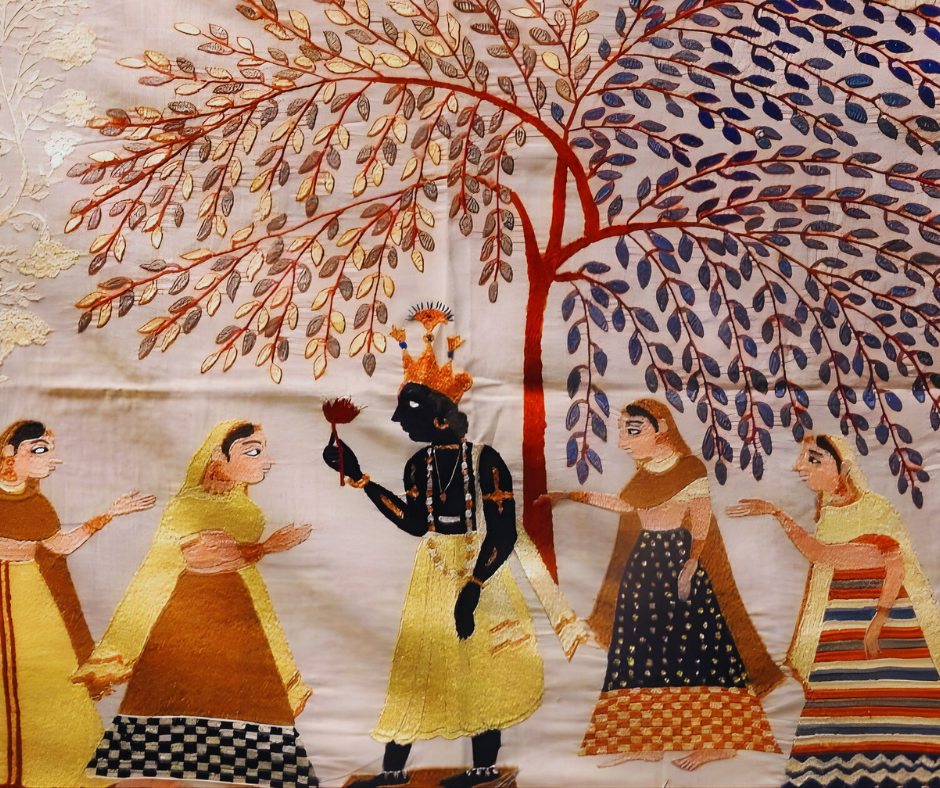
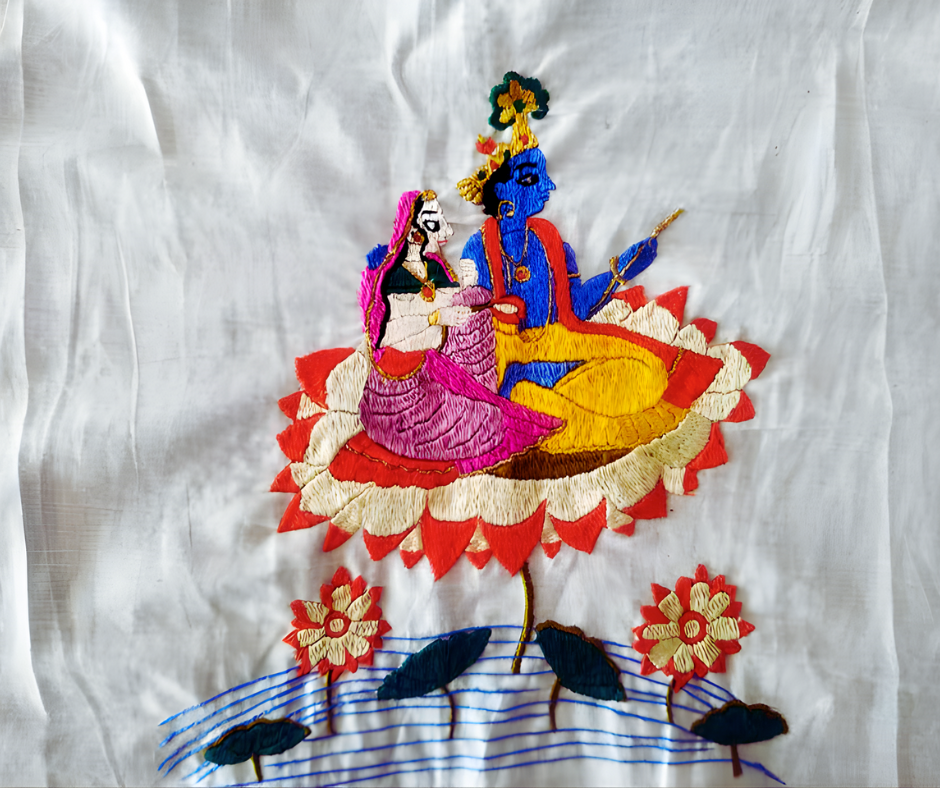
Chamba Rumal, originating from the historic town of Chamba in Himachal Pradesh, is a centuries-old hand embroidery craft once patronized by royal families and temple institutions. Traditionally created on fine muslin or silk fabric, the rumal (square cloth) was embroidered using untwisted silk threads that produced delicate, vibrant designs. It was often exchanged as a ceremonial gift and used during religious and royal occasions.
During the 17th–19th centuries, Chamba Rumal gained artistic distinction for its double-sided stitching technique, where both sides of the cloth appear identical. Themes from Indian epics such as the Ramayana and Mahabharata, along with floral and folk motifs, became defining elements. In modern India, cultural organizations, museums, and government craft boards have revived and preserved this embroidery tradition, bringing it to national and international appreciation.
Basic Overview
| Field | Details |
|---|---|
| Craft Name | Chamba Rumal Embroidery |
| Origin Town | Chamba, Himachal Pradesh |
| Country | India |
| Craft Type | Hand Embroidery Textile Art |
| Traditional Use | Ceremonial Cloths, Gifts, Wall Hangings |
| Key Features | Double-Sided Stitching, Fine Silk Threads |
| Motifs | Mythological Scenes, Floral, Folk Designs |
| Industry Type | Handicraft & Textile Art |
| Market Presence | Domestic & International |
| Support Bodies | Handicraft Boards & Govt. Clusters |
Chamba – Tracing Its Origins & Craft Evolution
Chamba Rumal began as a domestic art practiced by women of royal and artisan households who inherited embroidery skills across generations. The region’s strong cultural ties with miniature painting influenced the precision and storytelling style found in the rumal’s motifs. Over time, the craft evolved from a personal household activity into a recognized heritage textile.
With the decline of royal patronage in the colonial period, the craft faced challenges; however, revival initiatives in the late 20th century by state handicraft departments, NGOs, and cultural institutions restored its prominence. Today, Chamba Rumal is celebrated as both a decorative art and a symbol of Himachal’s living heritage.
Growth & Craft Expansion
Royal Era: Patronized by kings and temples for ceremonial textiles.
19th Century: Artistic peak with epic and miniature-inspired motifs.
1980s+: Government and museum revival programs supported artisans.
Present Day: Recognized as a heritage embroidery in exhibitions and global craft fairs.
Key Features & Craft Strengths
Heritage Value
Centuries-old embroidery tradition rooted in royal culture.
Double-Sided Technique
Unique stitching style where both sides look identical.
Narrative Motifs
Depicts mythological tales and cultural folklore.
Handcrafted Precision
Each piece is manually embroidered, ensuring uniqueness.
Decorative & Ceremonial Use
Used as gifts, wall décor, and religious textiles.
Cultural Identity
Represents Himachal Pradesh’s artistic legacy.
Sustainable Craft
Relies on manual skills and minimal mechanization.
Market Presence & Craft Identity
Displayed in museums and cultural exhibitions across India.
Appreciated by collectors, designers, and heritage enthusiasts.
Recognized for fine silk thread work and storytelling motifs.
Positioned as a premium handcrafted embroidery textile.
Supported by handicraft boards, cooperatives, and private artisans.
Top Brands & Artisan Groups – Chamba Rumal
| Cluster / Group | Founded | Promoter | Business Type | Market Reach | Ownership | Origin |
|---|---|---|---|---|---|---|
| Rumals of Chamba | Traditional | Local Artisans | Hand Embroidery & Sales | Domestic & Export | Private / Artisan | India |
| MeMeraki Chamba Rumal | 2000s+ | Artisans / Curated Sellers | Handcrafted Embroidery Art | Domestic & International | Private | India |
| Amounee Chamba Rumal | 2010s+ | E-commerce Artisan Shop | Hand Embroidery Products | Domestic & Export | Private | India |
| IndyHaat (Craft Marketplace) | 2010s+ | Handicraft Marketplace | Traditional Craft Sales | Domestic & International | Private | India |
Conclusion
Chamba Rumal – Timeless Needlework Heritage reflects the journey of a royal embroidery tradition that transformed into a preserved cultural art form. With its double-sided stitching, mythological storytelling, and meticulous craftsmanship, Chamba Rumal continues to embody India’s artistic excellence and heritage pride. Through artisan dedication and institutional support, this elegant textile remains a living symbol of tradition admired across generations and borders.