Kullu Shawls Journey: From Himalayan Wool Craft to Global Handloom Heritage
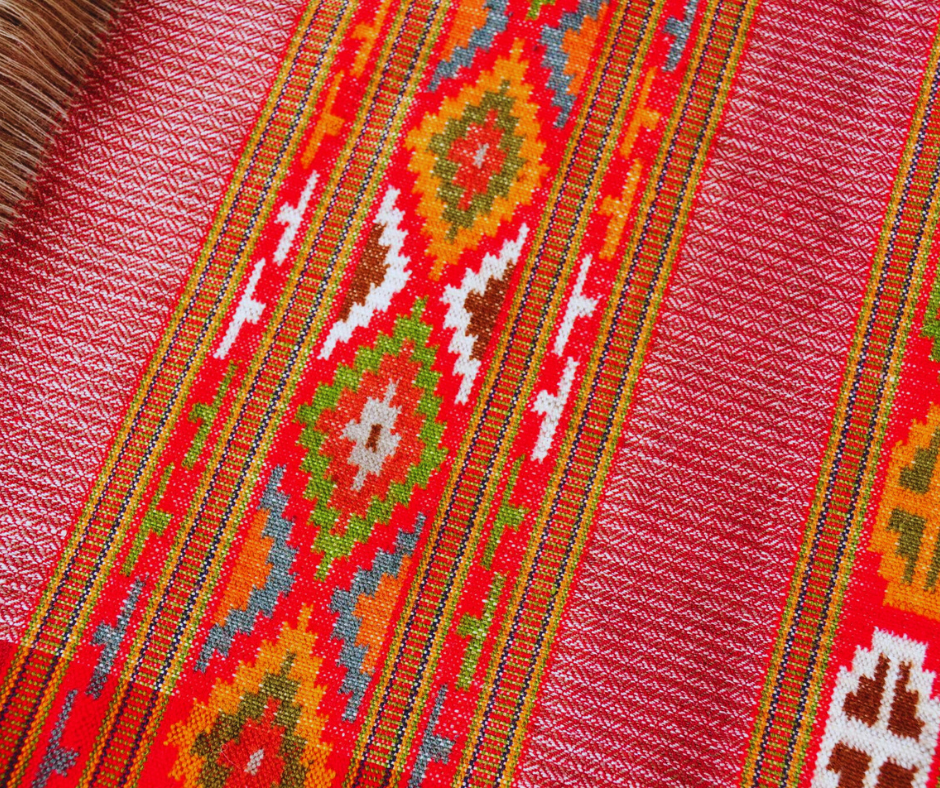
Kullu Shawls, originating from the serene valleys of Himachal Pradesh, began as simple woollen wraps woven by local communities to protect against the harsh Himalayan winters. Over time, this functional textile transformed into a vibrant cultural symbol recognized across India and international markets for its colorful geometric borders and handcrafted excellence.
In the late 19th and early 20th centuries, skilled weavers from nearby regions such as Kinnaur and Bushahr introduced refined weaving techniques and decorative motifs. This evolution shifted Kullu shawls from plain utility garments to artistic fashion accessories admired for both warmth and aesthetic appeal.
Today, Kullu shawls are celebrated worldwide as premium handloom products that blend tradition, craftsmanship, and contemporary fashion trends.
Basic Overview
| Field | Details |
|---|---|
| Craft Name | Kullu Shawls |
| Region | Kullu Valley, Himachal Pradesh |
| Origin Period | Traditional (19th Century Development) |
| Material Used | Sheep Wool, Merino, Angora, Pashmina |
| Craft Type | Handloom Textile Weaving |
| Signature Design | Colorful Geometric Borders & Motifs |
| Industry Type | Handicrafts & Handloom |
| Market Presence | Domestic & International |
| Artisan Base | Local Weaving Families & Cooperatives |
| GI Status | Yes (Geographical Indication Registered) |
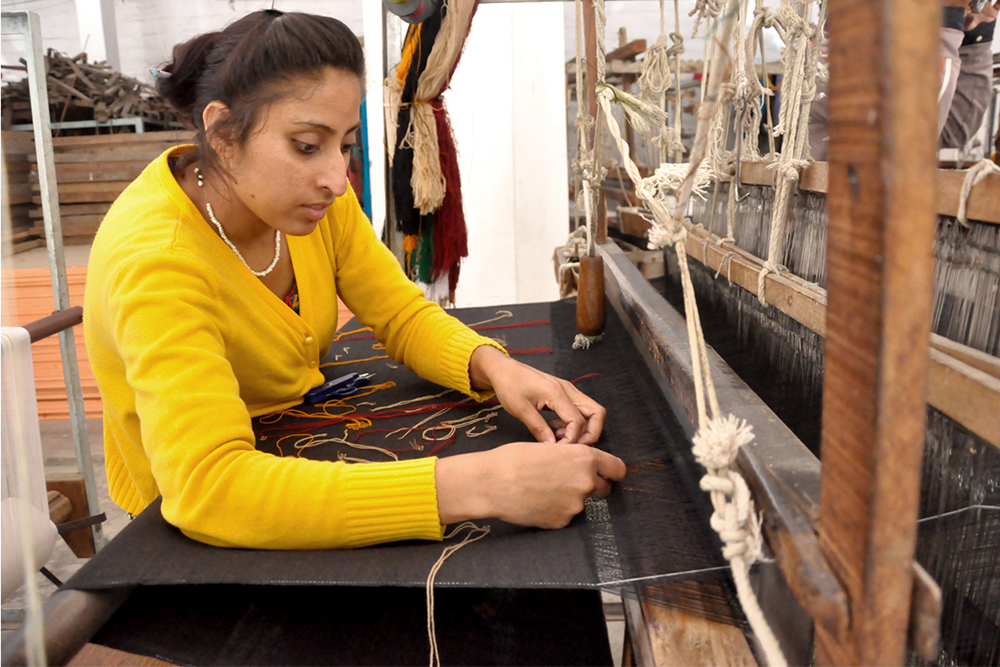
Kullu Shawls – Tracing Its Origins & Craft Evolution
Kullu shawls initially served as protective winter garments woven from coarse sheep wool. The early shawls were mostly plain and undyed, focusing purely on warmth rather than decoration. As trade routes expanded and cultural exchange increased, external artisan communities brought advanced loom techniques and pattern weaving skills.
The introduction of bright natural dyes, geometric motifs, and intricate borders marked a turning point. Designs began reflecting Himalayan nature, tribal symbols, and cultural aesthetics. Over generations, weaving shifted from household necessity to commercial craft and artistic heritage, gaining recognition in national exhibitions and export markets.
Growth & Craft Expansion
Early 1900s: Decorative borders and motif weaving introduced.
Mid-20th Century: Formation of artisan cooperatives and government handloom support.
Late 20th Century: Entry into export and tourism markets.
Modern Era: Online retail and designer collaborations increased visibility.
GI Tag Recognition: Helped protect authenticity and regional identity.
Key Features & Craft Strengths
Traditional Handloom Skill
Each shawl is manually woven, preserving generational craftsmanship.
Vibrant Borders
Distinctive colorful geometric patterns on both ends.
Natural Warmth
Made from high-quality wool suitable for cold climates.
Cultural Symbolism
Motifs inspired by mountains, flora, and tribal heritage.
Durability
Thick wool ensures long-lasting usage.
Eco-Friendly Craft
Minimal machinery and sustainable materials.
Artisan Livelihood Support
Provides employment to rural weaving families.
Blend of Tradition & Fashion
Now styled with modern outfits while retaining heritage.
Market Presence & Craft Identity
Popular in North India winter markets and tourist hubs.
Exported to Europe, USA, and Asian countries.
Recognized for bold borders and earthy base tones.
Positioned as a heritage fashion accessory rather than fast fashion.
Favored as cultural gifts and premium winter wear.
Kullu Shawls – Artisan & Brand Clusters
| Cluster / Brand | Founded | Promoter | Business Type | Market Reach | Ownership | Origin |
|---|---|---|---|---|---|---|
| Bhuttico Weavers Cooperative | 1944 | Local Artisans | Handloom Production & Retail | Domestic & Export | Cooperative | India |
| Himachal Handloom & Handicrafts Corp. | 1974 | State Govt. | Craft Promotion & Sales | National | Govt. | India |
| Independent Kullu Weaver Families | Traditional | Local Communities | Handmade Shawl Weaving | Domestic / Boutique Export | Family / Private | India |
Conclusion
Kullu Shawls – Timeless Himalayan Weave & Cultural Legacy represents the journey of a humble woollen wrap evolving into a globally admired handloom treasure. Rooted in mountain traditions yet adaptable to modern fashion, Kullu shawls symbolize warmth, identity, and artisanal excellence. Through cooperative support, GI recognition, and sustained craftsmanship, this heritage textile continues to preserve India’s rich weaving culture while providing livelihood and pride to generations of Himalayan artisans.