Thanjavur Painting – Classical Devotional Art of Tamil Nadu
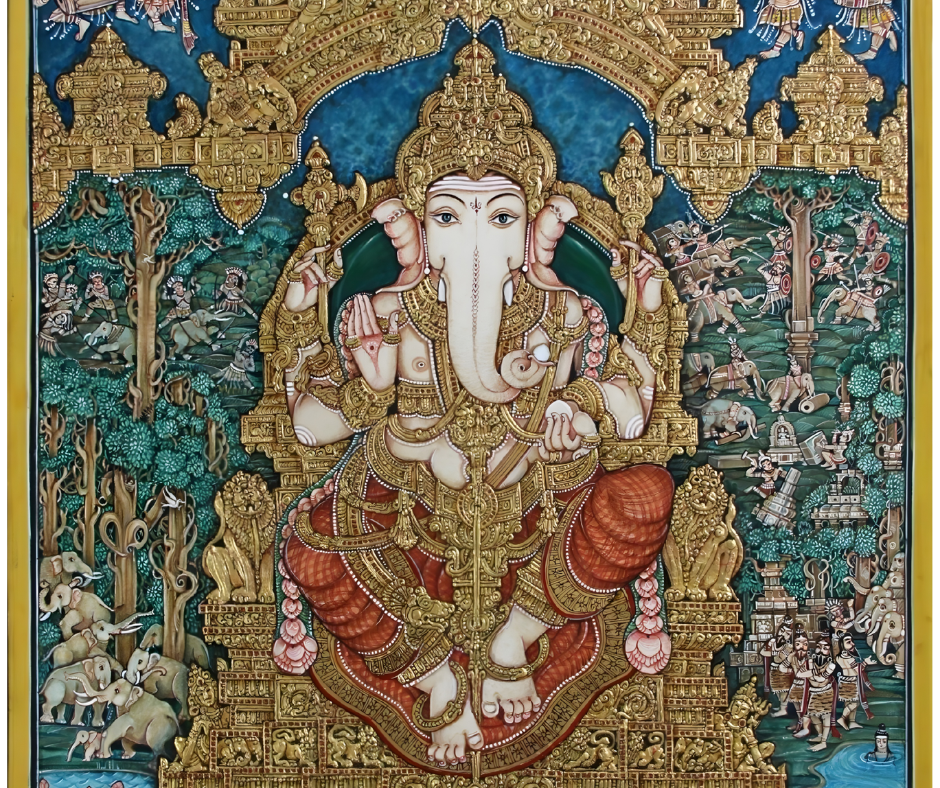
Thanjavur Painting, also known as Tanjore Painting, is one of India’s most celebrated classical painting traditions, originating from the historic town of Thanjavur in Tamil Nadu. Renowned for its opulent use of gold foil, vibrant colors, and iconic devotional imagery, this art form represents a refined blend of spirituality, craftsmanship, and royal patronage. Deeply rooted in temple culture and courtly traditions, Thanjavur Painting stands as a timeless symbol of South India’s artistic legacy.
Basic Overview
| Field | Details |
|---|---|
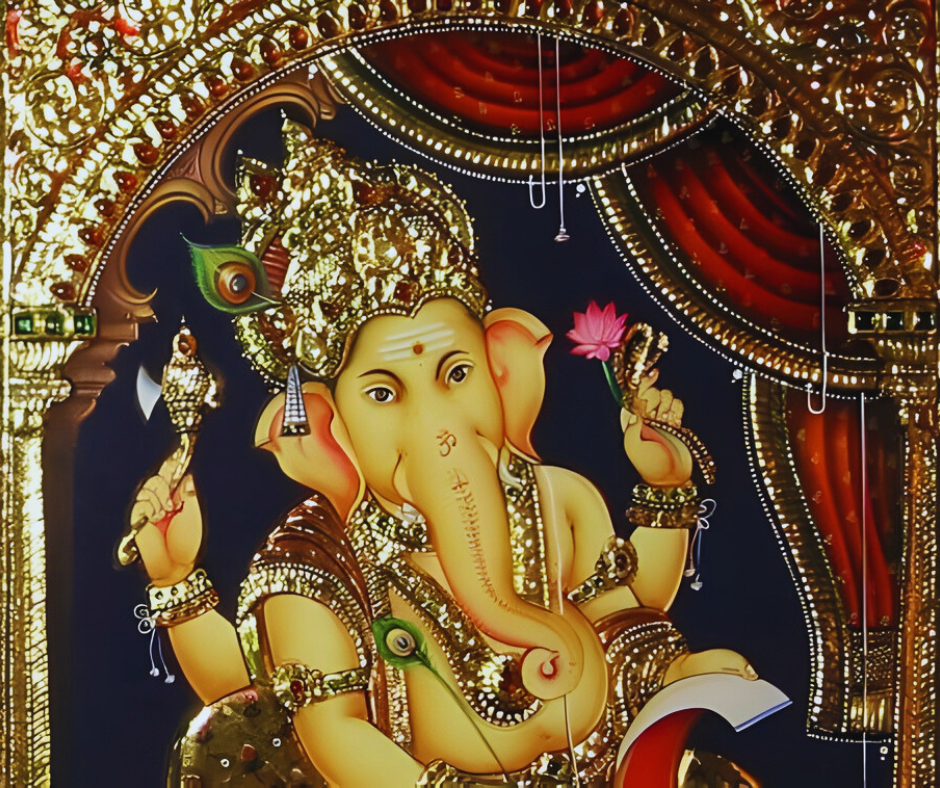
| Traditional Visual | Gold-embellished devotional panel paintings with raised relief |
| Alternative Names | Tanjore Painting |
| Craft Type | Classical South Indian Panel Painting |
| Artisan Community | Traditional Chitrakar & hereditary painters |
| Area | Thanjavur region – Tamil Nadu |
| Country | India |
| Primary Themes | Hindu gods, goddesses, saints, mythological scenes |
| Painting Surface | Wooden plank (Palagai Padam) with cloth base |
| Tools Used | Handmade brushes, gesso tools |
| Colors & Pigments | Natural mineral colors, vegetable dyes |
| Distinctive Feature | Gold foil work with embossed gesso |
| Cultural Status | Temple & court devotional art |
| GI Status | GI-tagged traditional art form |
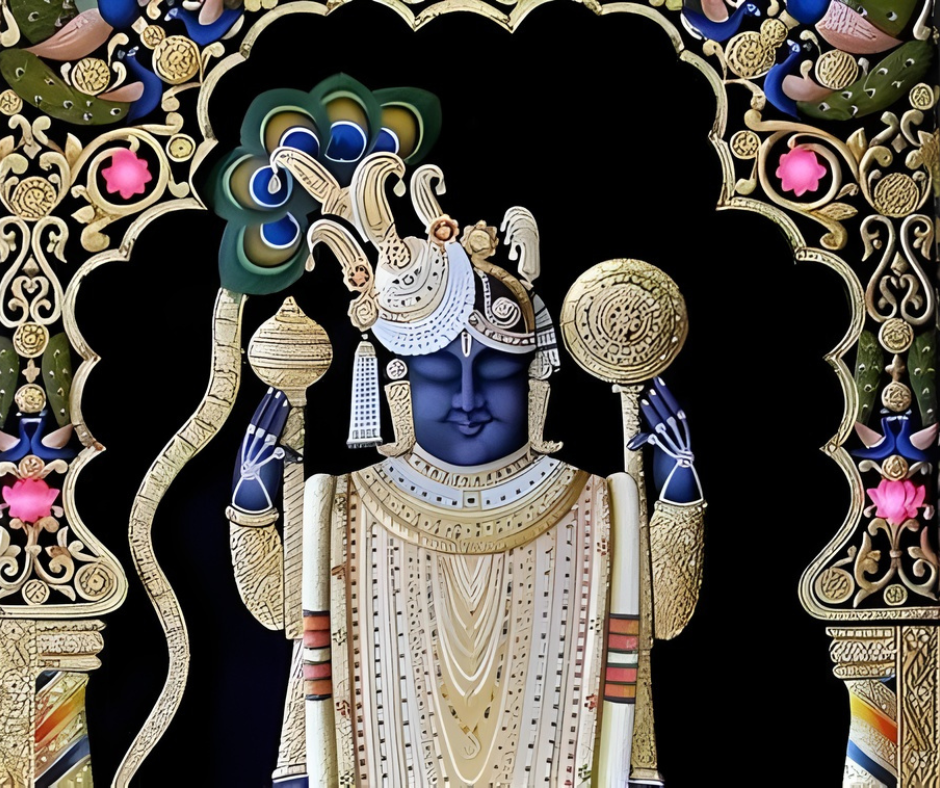
Thanjavur Painting – Origins & Cultural Legacy
The origins of Thanjavur Painting can be traced back to around 1600 AD, when artistic traditions flourished under the Nayakas of Thanjavur, supported by the Vijayanagara Empire. However, the art form attained its mature and recognizable style during the Maratha rule of Thanjavur (1676–1855). Royal patronage encouraged large-scale devotional paintings that adorned temples, palaces, and prayer halls.
These paintings primarily functioned as sacred icons, reinforcing devotion and religious narratives at a time when visual art played a crucial role in spiritual communication. In recognition of its cultural importance, Thanjavur Painting received Geographical Indication (GI) status in 2007–08.
Symbolism & Iconography
Thanjavur Painting is rich in symbolic and religious imagery:
Central Deity Figures: Spiritual focus and divine presence
Gold Halos & Ornaments: Prosperity, divinity, and auspiciousness
Architectural Frames (Prabhavali / Mantapa): Sacred spatial context
Subsidiary Figures: Attendants, saints, and narrative continuity
Though predominantly Hindu in theme, historical examples also depict Jain, Sikh, Muslim, and secular subjects, reflecting cultural inclusivity.
Traditional Materials & Technique
Thanjavur Paintings are created using a meticulous, multi-step process with traditional materials:
Base Preparation: Cloth pasted onto wooden planks
Relief Work: Gesso made from limestone powder and adhesive
Gold Foil Application: Laid over raised areas for brilliance
Coloring: Natural pigments applied in bold, flat tones
Final Detailing: Fine outlines and ornamental highlights
The result is a durable, richly textured artwork with a luminous finish.
Ritual & Social Importance
Historically, Thanjavur Paintings played a vital role in religious and social life. They were commissioned for:
Temple sanctums and rituals
Domestic prayer rooms
Palace interiors and ceremonial halls
Festive and auspicious occasions
Even today, they remain symbols of devotion, prosperity, and cultural refinement.
Contemporary Adaptations
In modern times, Thanjavur Painting has evolved beyond traditional religious panels. Contemporary adaptations include:
Framed wall art and décor panels
Collectible heritage artworks
Export-oriented luxury art pieces
Institutional and corporate gifting
Manufacturer & Top Brands
| Cluster / Institution | Founded | Promoter | Art Type | Market Reach | Ownership | Origin |
|---|---|---|---|---|---|---|
| Traditional Thanjavur Artisan Families | Ancient | Hereditary Artists | Classical Panel Paintings | Local / Regional | Community-based | Tamil Nadu |
| Thanjavur Painting Clusters | Traditional | Artisan Communities | Devotional Paintings | Domestic | Community | Tamil Nadu |
| State Handicrafts Corporations | 1970s–80s | Govt. Bodies | Craft Promotion | National / Global | Government | India |
| Craft NGOs & Cultural Trusts | 1990s | NGOs | Skill Preservation | Global | Non-Profit | India |
| Contemporary Art Brands | 2000s | Designers & Enterprises | Modern Tanjore Art | Export | Private | India |
Conclusion
Thanjavur Painting is far more than a decorative art form—it is a sacred visual tradition that embodies India’s spiritual depth, royal history, and artisanal excellence. Through its iconic imagery, radiant gold embellishments, and refined compositions, this classical art continues to inspire devotion and admiration. Preserving and promoting Thanjavur Painting not only safeguards a treasured heritage but also ensures that future generations remain connected to one of India’s most glorious artistic traditions.