Chhau Dance Mask: Indian Folk Tradition of Masks and Rhythm
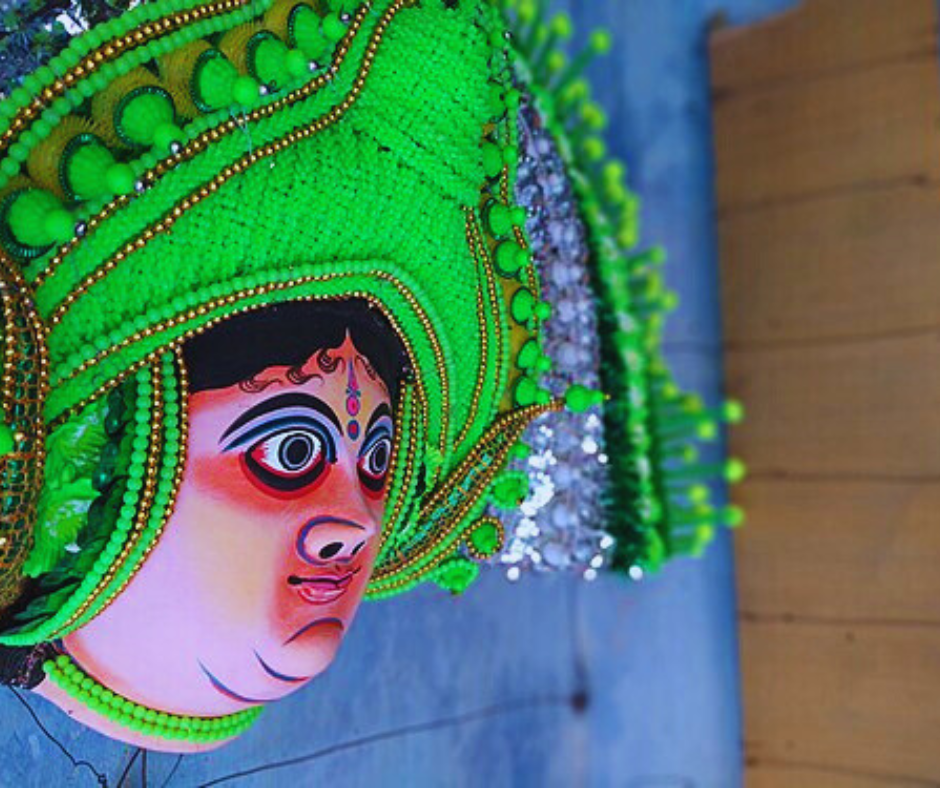
Chhau Dance Mask of Charida, Purulia stands as one of the most vibrant symbols of India’s folk cultural heritage. Also known as the Chhau dance mask, it is an essential component of the Purulia Chhau dance tradition of West Bengal. These masks are not only artistic masterpieces but also deeply spiritual objects that allow dancers to transform into mythological characters during performances. Rich in colour, expression, and grandeur, Chhau masks are now globally recognized as a distinctive hallmark of Purulia’s traditional arts.
Basic Identification of the Craft
| Field | Details |
|---|---|
| Name | Chhau Dance Mask of Charida, Purulia |
| Alternative Name | Chhau Dance Mask |
| Type | Folk Cultural Art of West Bengal |
| Area | Charida Village, Purulia District & Nearby Regions |
| Country | India |
| Materials Used | Clay, Soft Paper, Diluted Glue, Cloth, Mud, Fine Ash Powder, Jute, Acrylic Hair, Beads, Sequins, Feathers, Metallic Foil |
| GI Registration Date | 28 March 2018 |
Chhau Dance Mask Overview
The tradition of mask-making in Charida dates back approximately 150 years, during the rule of King Madan Mohan Singh Deo of Baghmundi. The king invited skilled artisans from the Sutradhar community to settle in Charida, laying the foundation of what would become an internationally admired craft.
The early evolution of the craft is credited to Buddeshwar Sutradhar, considered the first master mask-maker of the village. He created the earliest iconic mask pair—Kirat and Kiratini, representing Shiva and Parvati. His contribution established the visual identity of Purulia Chhau masks and marked a turning point in their artistic development.
Over generations, mask-making became a family tradition in Charida, with skills passed down from elders to children. Today, nearly every household in the village participates in this vibrant artistic practice.
What Makes Purulia Chhau Dance Mask Unique?
While Chhau dance exists in three regions—Purulia (West Bengal), Seraikella (Jharkhand), and Mayurbhanj (Odisha)—the Purulia Chhau is the only form that uses large, colourful, highly ornate masks.
Seraikella Chhau uses smaller, simpler masks.
Mayurbhanj Chhau uses no masks at all.
It is the elaborate Purulia masks that give the dance its visually dramatic and larger-than-life character.
Dancers describe the mask as transformative—it enables them to instantly “become” the deity or demon they portray, whether it is Ravana, Kartikeya, Mahishasura, Durga, or Shiva.
Types of Chhau Dance Mask
Chhau masks are categorized according to the characters portrayed in the dance:
Babu Masks: Gods such as Shiva, Vishnu, Kartik, Krishna, Ganesha
Bir Masks: Heroic or demon characters like Mahishasura, Ravana
Nari Masks: Female deities such as Durga, Parvati, Saraswati
Animal Masks: Tiger, lion, monkey characters (e.g., Bali, Sugriva)
Bird Masks: Peacock, swan, Jatayu
Bhoot Masks: Ghosts or supernatural beings
Each mask is designed with strict stylistic rules—for instance, Krishna is always blue, Rama green, female gods pink, and demons often painted in darker shades with fierce expressions.
Manufacturing Process: The Art Behind the Mask
Creating a Chhau mask is a multi-stage, labor-intensive process requiring both skill and patience. The craft is practiced mainly by the Sutradhar community. A single full-sized mask typically takes 6–7 days to complete.
Step-by-Step Process
Base Moulding:
A wooden or cane base is coated with clay to form the initial shape.Layering:
8–10 layers of soft paper are pasted using diluted glue, creating a sturdy shell.Ash Dusting & Sun Drying:
Fine ash is sprinkled on the mould, and it is dried thoroughly under the sun.Mud–Cloth Reinforcement:
A mixture of mud and cloth strips strengthens the structure.Separation & Smoothing:
Once dried, the papier-mâché mask is separated from the base and polished.Detailing:
Facial details such as eyes, eyebrows, lips, and ornaments are shaped.Painting:
The mask is hand-painted using bright colours symbolic of each character.Decoration:
The mask is adorned with beads, feathers, sequins, jute hair, plastic flowers, and elaborate headgear. Some headdresses weigh up to 5 kilograms.
This meticulous process results in a mask that is expressive, vibrant, and durable—perfect for energetic Chhau dance performances.
Charida Village: The Heart of the Craft
Charida, also known as Mukhosh Gram (The Mask Village), is the central hub of Chhau mask-making. With over 115 families and around 300 artisans, it is a living museum of folk artistry. Every house doubles as a workshop, where men sculpt and women decorate the masks.
Charida is also recognized as a Rural Craft Hub by the Government of West Bengal in collaboration with UNESCO, which has helped promote the craft globally.
An annual Chhau Mask Festival is held in the village between January and February, attracting visitors, scholars, and buyers from around the world.
GI Tag and Recognition
On 28 March 2018, the Chhau mask of Purulia received the Geographical Indication (GI) Tag, officially linking the craft to Charida.
The GI tag helped:
Protect the originality of the masks
Increase national and international demand
Raise awareness of artisans’ rights
Improve income-generating opportunities
Chhau Dance Mask Manufacture & Export Timeline
| Year / Period | Event / Development | Details |
|---|---|---|
| Late 1800s | Origin of Chhau Mask Making | Started during the rule of King Madan Mohan Singh Deo of Baghmundi; Sutradhar families began mask craftsmanship. |
| Early 1900s | First Master Artisan Emerges | Buddeshwar Sutradhar created the first Kirat–Kiratini masks; Charida became the main mask-making hub. |
| 1990s | Local Commercial Production Begins | Mask production increased due to rising tourism and cultural festivals. |
| 2000–2005 | Early Export Attempts | First small batches of masks showcased in foreign cultural festivals via government delegations. |
| 2005–2010 | Initial Global Exposure | Artisans participated in international exhibitions (Asia & Europe); export demand slowly increased. |
| 2010–2012 | Formation of Artisan Groups | Early versions of cooperatives formed to handle group production and orders. |
| 2013 | Rural Craft Hub Established (Govt. of West Bengal + UNESCO) | Charida officially recognized as a Rural Craft Hub; training, global marketing support, and export facilitation began. (URL: https://www.puruliachau.com) |
| 2013–2014 | Purulia Chhau Society Established | Society formed to promote dance and masks, helping artisans receive national & international orders. (URL: https://www.puruliachau.com) |
| 2012–2014 | Chhau Mukhosh Shilpi Sangha Formed | Women-led decoration artisan group started supporting large-scale production for exports. |
| 2014–2016 | Regular Export Activity Starts | Larger shipments sold through Indian craft fairs, UNESCO projects, and cultural festivals abroad. |
| 2018 | GI Tag Received (Official Registration: 28 March 2018) | GI tag increased global recognition and boosted export orders; authenticity legally protected. |
| 2019–Present | Active International Export & Online Sales | Masks sold through online platforms, cultural tourism, government exhibitions, and international fairs. |
Chhau Dance Mask – Top Brand Overview
| Cluster / Brand | Founded | Promoter | Business Type | Market Reach | Ownership | Origin |
|---|---|---|---|---|---|---|
| Charida Mask Craft Cluster | 19th Century (Approx.) | Local Sutradhar Artisan Families | Folk Mask Craft & Cultural Products | Domestic & Export | Community / Artisan Based | Charida, Purulia, West Bengal, India |
| Mahato Chhau Mask Workshop | 1980s+ | Mahato Artisan Family | Handmade Dance & Décor Masks | Domestic | Family-Owned | Purulia, West Bengal, India |
| Sutradhar Chhau Art Studio | 1990s+ | Sutradhar Community Artists | Traditional Folk Art Manufacturing | Domestic & International | Private / Family | Charida, Purulia, India |
| Purulia Chhau Mask Producers Association | 2005+ | Local Artisan Cooperative | Craft Promotion & Bulk Production | National & Export | Cooperative | Purulia, West Bengal, India |
Conclusion
The Chhau Dance Mask of Charida is more than just a decorative object—it is a living cultural symbol. Born during royal patronage in the 19th century and shaped by generations of Sutradhar artisans, the mask has evolved into an internationally celebrated craft. The elaborate designs, deep mythological symbolism, and painstaking craftsmanship make every mask unique.
With the 2018 GI tag, global recognition, and growing export demand, Charida’s mask-making tradition continues to thrive—preserving the legacy of Purulia Chhau dance and ensuring that this magnificent art form remains alive for future generations.