Organic Food in India: Health, Sustainability, and Export Potential
Environmental and Health Benefits
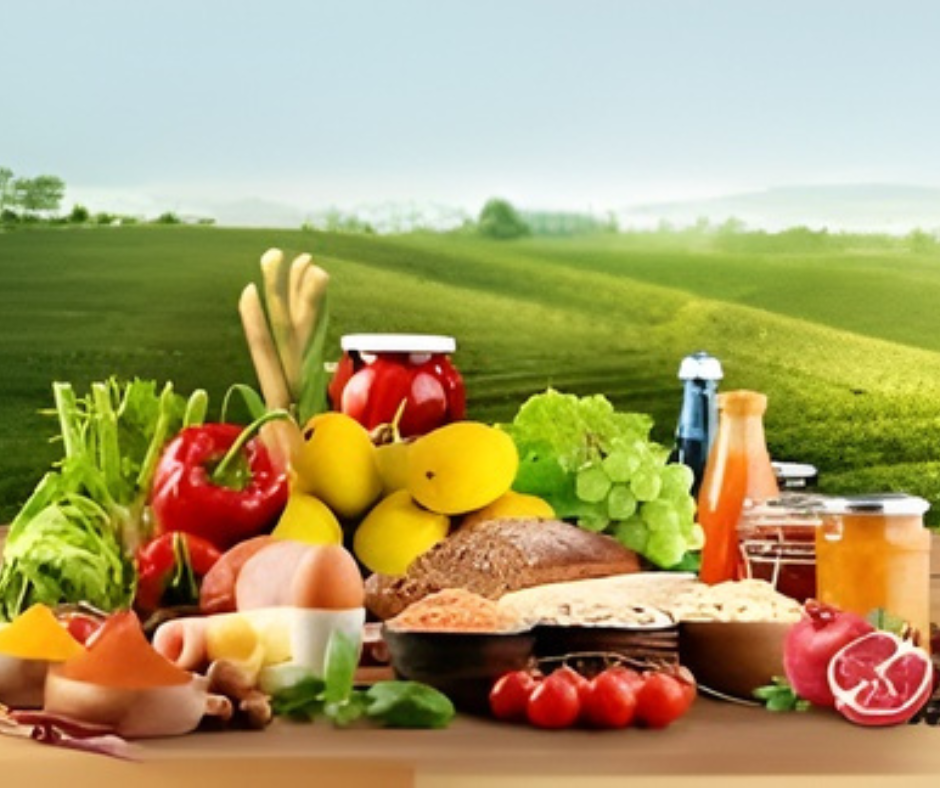
Conventional farming often relies heavily on chemical fertilizers and pesticides, which can harm soil health, biodiversity, ecosystems, and water quality. Organic farming addresses these issues by using natural fertilizers, crop rotation, and other sustainable practices.
Consumer demand for organic food is increasingly driven by health consciousness and environmental concerns. Many buyers prefer organic products to minimize exposure to synthetic chemicals, support sustainable farming, and promote ecological balance.
While scientific studies have not conclusively proven that organic foods are significantly safer or more nutritious than conventional foods, their reduced chemical inputs, ethical production, and environmentally responsible methods are clear advantages.
Organic Food in India: Key Products and Manufacturers
India is a major hub for organic food production, offering a wide range of products including:
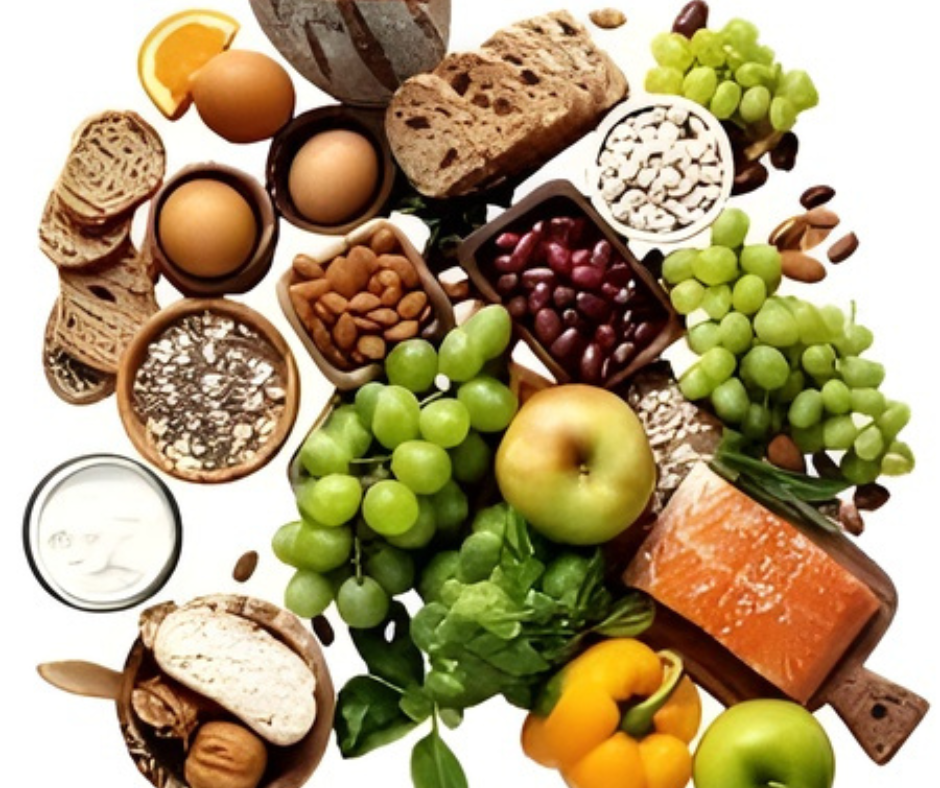
Organic Fruits and Vegetables: Apples, bananas, spinach, tomatoes, carrots
Organic Dairy: Milk, yogurt, cheese, ghee
Organic Grains and Pulses: Rice, wheat, lentils, chickpeas
Organic Oils: Coconut oil, mustard oil, olive oil
Organic Spices and Herbs: Turmeric, cumin, coriander, basil
Top Brands Organic Food Products
24 Mantra Organic
Founded: 2004
Business Type: Organic Grains, Pulses & Packaged Foods
Origin: India
Organic India
Founded: 2000
Business Type: Herbal Products, Teas & Wellness Foods
Origin: India
Pratithi Organic
Founded: Year not widely published (Approx. 2010s)
Business Type: Organic Foods & Natural Products
Origin: India
Organic Tattva
Founded: 2012
Business Type: Organic Food Products & Natural Foods
Origin: India
Natureland Organics
Founded: 2002
Business Type: Organic Pulses, Grains & Snacks
Origin: India
Sresta Natural Bioproducts (PROVAM / 24 Mantra)
Founded: 2004
Business Type: Organic Oils, Nuts & Health Foods
Origin: India
Conscious Food
Founded: 2002
Business Type: Organic Cereals, Snacks & Superfoods
Origin: India
Economic and Export Potential
Organic agriculture in India involves higher production costs due to labor-intensive practices and lower yields. As a result, organic products are typically priced higher than conventionally produced food. However, the rising global demand for chemical-free and sustainable foods has positioned India as a key exporter in the international organic food market.
Government initiatives and certifications like NPOP (National Programme for Organic Production) support manufacturers and exporters to meet international standards, expanding India’s footprint in the global organic sector.
Conclusion
Organic food represents more than a health-conscious choice—it embodies sustainability, ecological responsibility, and ethical production. While scientific evidence on nutritional superiority remains limited, the environmental and societal benefits of organic farming are undeniable. With growing domestic demand and a thriving export market, India continues to strengthen its position as a leader in global organic food production.