Delicious Ketchup Sauce – Perfect for Burgers, Fries & Snacks
The roots of ketchup go back to 17th-century China, where a sauce called “ke-tsiap” was made from fermented fish brine. British traders brought the idea back to Europe, where it was adapted using local ingredients like mushrooms, walnuts, and anchovies.
In the early 19th century, American innovators replaced these ingredients with tomatoes, creating the modern tomato ketchup we know today. With the rise of industrial production, companies such as Heinz standardized the recipe and transformed ketchup into a global household staple.
Ingredients and Composition
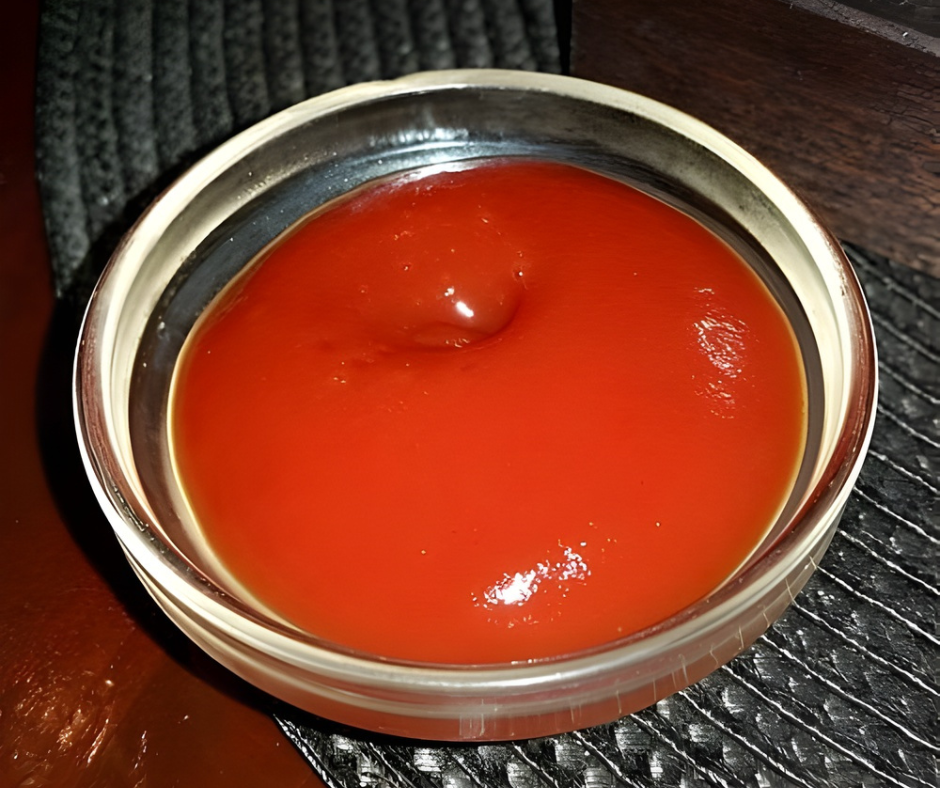
Classic tomato ketchup is made from:
Tomatoes – The heart of the sauce, providing rich color and texture.
Vinegar – Adds acidity and preserves freshness.
Sugar – Balances the tanginess with sweetness.
Salt & Spices – Commonly include garlic, onion, mustard, clove, cinnamon, and allspice.
This combination delivers the iconic flavor balance — a perfect harmony of sweet, sour, and savory.
Top Dishes and Meals Where Ketchup Is Most Preferred
Ketchup is one of the most widely used condiments in the world, loved by people of all ages. It’s found in homes, restaurants, and fast-food chains across continents. The countries with the highest ketchup consumption include:
United States – The birthplace of tomato ketchup and home to Heinz.
United Kingdom & Canada – Integral to fast-food culture and home dining.
Germany & France – Commonly served with fries, sausages, and meat dishes.
India – Popular with both Western snacks and Indian street food.
Australia & Middle East – Used in cafes, burgers, and wraps.
Popular Uses and Dishes
Ketchup’s versatility makes it a universal favorite. It is most commonly used with:
- French Fries – The classic pairing that never goes out of style.
- Burgers & Sandwiches – Adds moisture and tang.
- Hot Dogs & Nuggets – Enhances the savory flavor.
- Pizzas & Rolls – A quick dip or topping.
- Indian Snacks – Perfect with samosas, pakoras, cutlets, and chowmein.
In the food industry, ketchup is also used as a base ingredient in sauces such as barbecue sauce, chili sauce, and cocktail sauce. Snack manufacturers even use ketchup flavoring in chips, nachos, and savory biscuits.
Manufacturing and Global Export
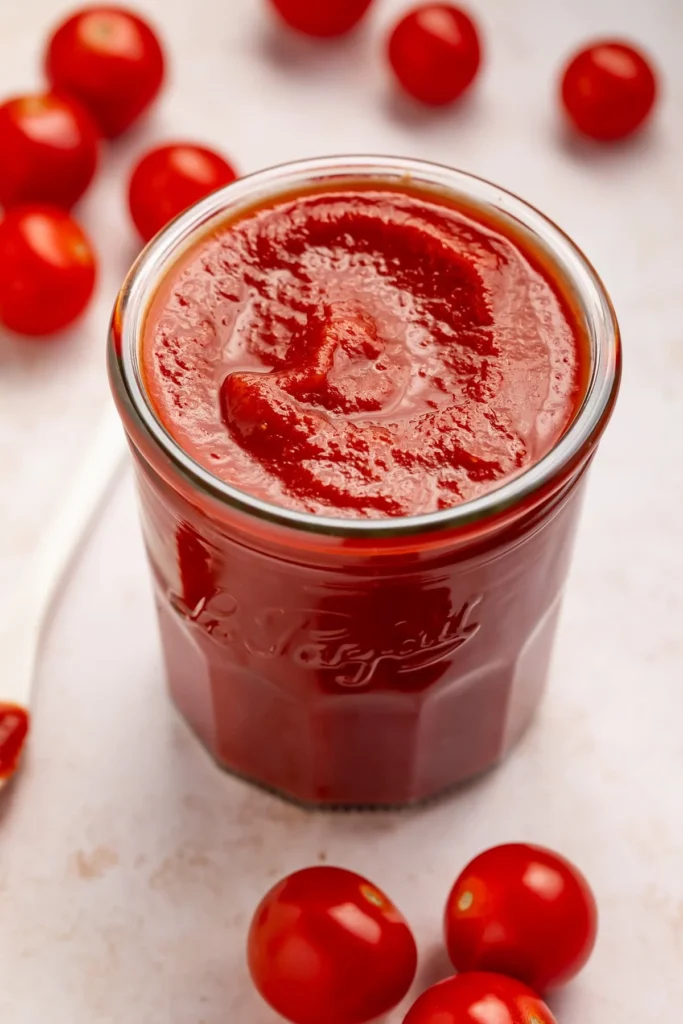
Ketchup production begins with ripe tomatoes, which are washed, crushed, and cooked into a paste. This paste is mixed with vinegar, sugar, and spices, then pasteurized and bottled.
The United States is the world’s largest ketchup producer, with Heinz leading exports to over 140 countries. European nations like the Netherlands, Germany, and the UK also play key roles in the global ketchup trade.
In India, the ketchup industry has grown rapidly, with both domestic and international brands exporting to Asia, Africa, and the Middle East. Indian ketchup exports are valued at over USD 100 million annually.
Top Brands Ketchup Sauce
1. Kissan
Founded: 1935 (Acquired by HUL in 1993)
Business Type: Ketchup, Jams & Sauces
Origin: India
2. Cremica (Tops & Cremica)
Founded: 1978
Business Type: Sauces, Mayonnaise & Food Products
Origin: India
Maggi
Founded: 1866 (Nestlé Founded) / India Launch: 1980s
Business Type: Noodles, Ketchup, Sauces & Seasonings
Origin: Switzerland (India Operations)
Veeba
Founded: 2013
Business Type: Sauces, Ketchup, Mayonnaise & Dressings
Origin: India
Tops
Founded: 1984
Business Type: Ketchup, Sauces, Pickles & Culinary Products
Origin: India
Conclusion
From its Asian origins to becoming a global favorite, ketchup has come a long way. Whether paired with fries in America, burgers in Europe, or pakoras in India, it continues to unite taste buds across the world.
Loved for its versatility, simplicity, and rich flavor, ketchup remains the most popular condiment in modern cuisine — a small spoonful that brings big taste to every meal.