100% Pure Coconut Oil – Natural for Health & Wellness
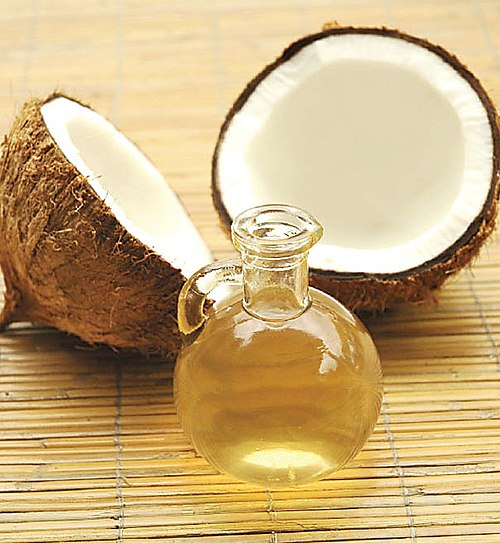
100 pure coconut oil, also known as coconut fat, is an edible oil derived from the meat of the coconut palm (Cocos nucifera). At temperatures below 25 °C (77 °F), it is a white solid fat, while above this temperature, it becomes a clear, thin liquid. Unrefined or virgin coconut oil retains the natural coconut aroma, making it a preferred choice in culinary, personal care, and industrial applications.
India, with its abundant coconut-growing regions such as Kerala, Tamil Nadu, Karnataka, and Goa, is one of the largest producers and exporters of coconut oil in the world.
Nutritional Value of 100 Pure Coconut Oil
1. Raw Material Sourcing
Coconuts are harvested at maturity (12–20 months old) to ensure high-quality oil with maximum yield.
Regions like Kerala, Tamil Nadu, Karnataka, Andhra Pradesh, and Goa supply fresh coconut kernels for virgin oil production and dried copra for refined oil.
2. Production Methods
Wet Process (Traditional/Modern):
Oil is extracted directly from fresh coconut milk.
Modern wet processing uses centrifuges, enzymes, steam distillation, and cold/heat treatments to break the milk-oil emulsion.
Produces virgin oil with natural aroma and flavor.
Dry Process (Dominant in India):
Coconut meat is dried into copra using sun, fire, or kilns.
Oil is extracted by pressing or solvent extraction (hexane) and refined to remove free fatty acids.
Produces refined coconut oil suitable for cooking and export.
3. Packaging & Quality Assurance
Available in glass bottles, plastic jars, pouches, and bulk drums (100 ml–20 L).
Labels include product type (virgin/refined), batch number, FSSAI license, manufacturing/expiry date, and storage instructions.
Manufacturers ensure purity by testing for free fatty acids, moisture, and fatty acid composition. Certifications like ISO 22000, HACCP, GMP, and organic standards are common among export-quality products.
Uses and Applications
Culinary:
High smoke point suitable for frying, baking, and sautéing.
Distinct coconut flavor enhances traditional Indian recipes.
Personal Care:
Hair care: moisturizes scalp, prevents protein loss.
Skin care: natural moisturizer for dry or sensitive skin.
Traditional use: oil pulling for oral hygiene.
Industrial:
Ingredients for soaps, cosmetics, and detergents.
India’s Coconut Oil Export Market
India exports coconut oil globally, leveraging its strong production base and quality standards:
Major Export Markets: UAE, Qatar, Kuwait, Bangladesh, Vietnam, USA, Europe.
Export Products: Virgin coconut oil, refined coconut oil, organic and cold-pressed variants.
Packaging for Export: Bulk drums (20–205 L) and retail packs (100 ml–1 L), often with private labeling.
Export Volume & Value: India exports thousands of tons annually, valued at hundreds of millions of USD.
Top Coconut Oil Manufacturers and Exporters in India
1. KLF Nirmal Industries Pvt. Ltd.
Founded: Early 1940s (Oil Milling Business) / Incorporated: 2008
Business Type: Coconut Oil & Edible Oils
Origin: India (Kerala)
2. Marico Ltd. (Parachute)
Founded: 1988
Business Type: Coconut Oil & FMCG Products
Origin: India
3. Cavins Coco Products Pvt. Ltd.
Founded: 1990 (Parent Company CavinKare)
Business Type: Coconut Milk & Coconut-Based Products
Origin: India
4. Matha Exports
Founded: 1995 (Approx.)
Business Type: Coconut Products & Exports
Origin: India (Kerala)
Quality Standards & Consumer Guidance
- Choose 100% pure coconut oil, preferably virgin or cold-pressed for maximum natural benefits.
Ensure proper packaging: glass or high-barrier plastic to protect from heat, moisture, and light.
Look for certifications: FSSAI (India), organic, ISO 22000, HACCP for both domestic and export products.
Store in a cool, dry place to maintain shelf life.
Conclusion
India’s packaged pure coconut oil combines traditional coconut expertise with modern processing, packaging, and export-ready standards. With robust manufacturing facilities, adherence to global quality norms, and access to key international markets, India has established itself as a leading supplier of premium coconut oil.
For domestic consumers and international buyers alike, Indian packaged coconut oil offers a high-quality, versatile product suitable for cooking, personal care, and industrial applications. By ensuring proper sourcing, production, and packaging, Indian manufacturers continue to set global benchmarks in the coconut oil industry.